
In a case that laid bare the deep cracks in Ireland’s healthcare system, a family has settled a High Court action against the Health Service Executive (HSE) after a delayed diagnosis of Huntington’s disease left three generations in the dark. The settlement, for €142,000, came after mediation, but the family’s story is not about money — it is about a system that failed to listen, to connect, and to care.
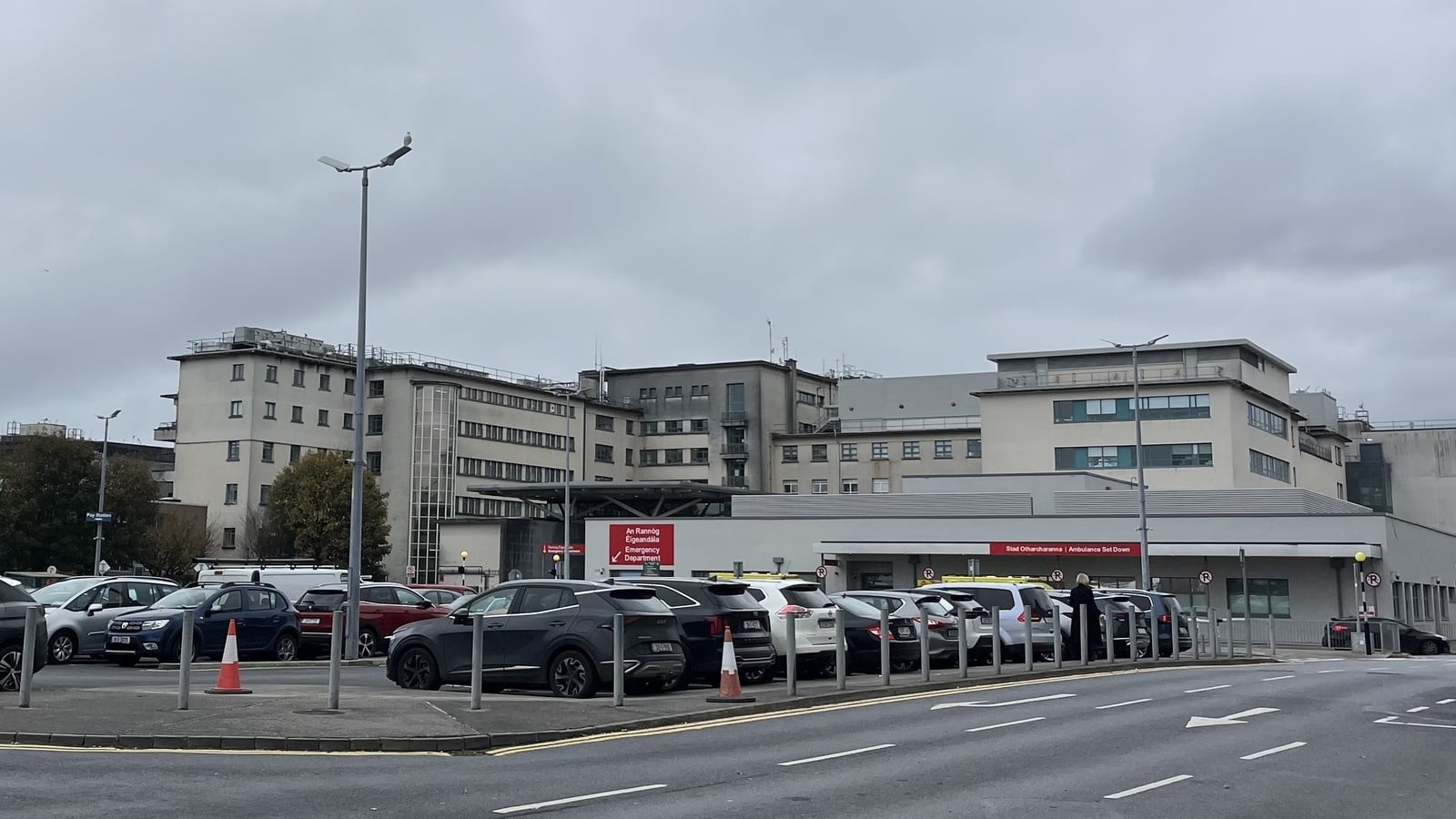
The woman, now in her 60s, was diagnosed with Huntington’s disease years after her father died without ever knowing he carried the same rare genetic condition. Her daughter told the court that the family had waged a “war with the health system” just to be heard. University Hospital Galway has apologised for the deficiencies in care that led to the delay.
What Happened in the Huntington’s Disease Case?
The woman’s action was taken against the HSE and a doctor. Mr Justice Paul Coffey, presiding over the case, described the lack of a national care pathway for Huntington’s patients as “shameful.” He noted that only one dedicated nurse in the entire country deals with the disease. The settlement was reached after mediation, with no admission of liability.
How Did the Delayed Diagnosis Affect the Family?
The woman’s daughter spoke powerfully in court, saying her mother lost over six years of her life being told her disease was psychological. Her grandfather lost his life never knowing what took it from him. “Our family lost years we can never get back and paid financially and emotionally for a legal process to establish facts that the HSE’s own records had already documented,” she said.
She added: “We did this to ensure that no other family will have to suffer what we have suffered.” The family’s fight was not about blame, she explained, but about a system with no pathway, no shared records, and no plan for what happens after a diagnosis.
Why Is This Case a Failure of the HSE and Government?
The daughter laid out the systemic failures clearly: “This is a case about failure; the HSE and Government’s failure to recognise the needs of Huntington’s disease patients, its failure to act on the concerns of its own clinicians about the absence of any care pathway in this country, and its failure to maintain a records system capable of connecting a father’s diagnosis to his daughter’s identical symptoms even though both were patients of the same hospital department and GP practice.”
Twenty-five other family members — siblings, children, and cousins — are potentially affected by the genetic risk. The daughter said the case did not happen because any single person failed her mother and grandfather, but because the system had no pathway capable of connecting a positive genetic result to the family who needed to know it.
What Does This Mean for Huntington’s Disease Care in Ireland?
The case has reignited calls for a national care pathway for Huntington’s disease. Currently, only one dedicated nurse in the country handles the condition, which affects around 250 families in Ireland. The court heard that the HSE’s own clinicians repeatedly recommended telling the family about the genetic risk, but the system failed to act.
The woman’s daughter said it was not a story of an unfortunate diagnosis, but “a story of a diagnosis the health service already had the means to make years earlier and chose because of a total absence of a care pathway not to communicate.”
FAQ: What You Need to Know About This Case
What is Huntington’s disease?
Huntington’s disease is a rare, inherited genetic disorder that causes the progressive breakdown of nerve cells in the brain. It affects movement, cognition, and mental health.
How much was the settlement?
The case was settled for €142,000 after mediation. No admission of liability was made.
Why did the judge call the situation “shameful”?
Mr Justice Paul Coffey said it was “shameful” that only one dedicated nurse in the entire country deals with Huntington’s disease, and he called for an urgent national care pathway.
How many family members are affected?
Twenty-five other family members are potentially affected by the genetic risk, including the woman’s siblings, her children, and 17 cousins.
This case is a stark reminder that our health system, for all its strengths, still leaves too many families to fight alone. It is a story of resilience, but also of a system that must do better. As the daughter said, what was required was “nothing more than the HSE doing what its own clinicians repeatedly recommended in writing: tell the family.”