
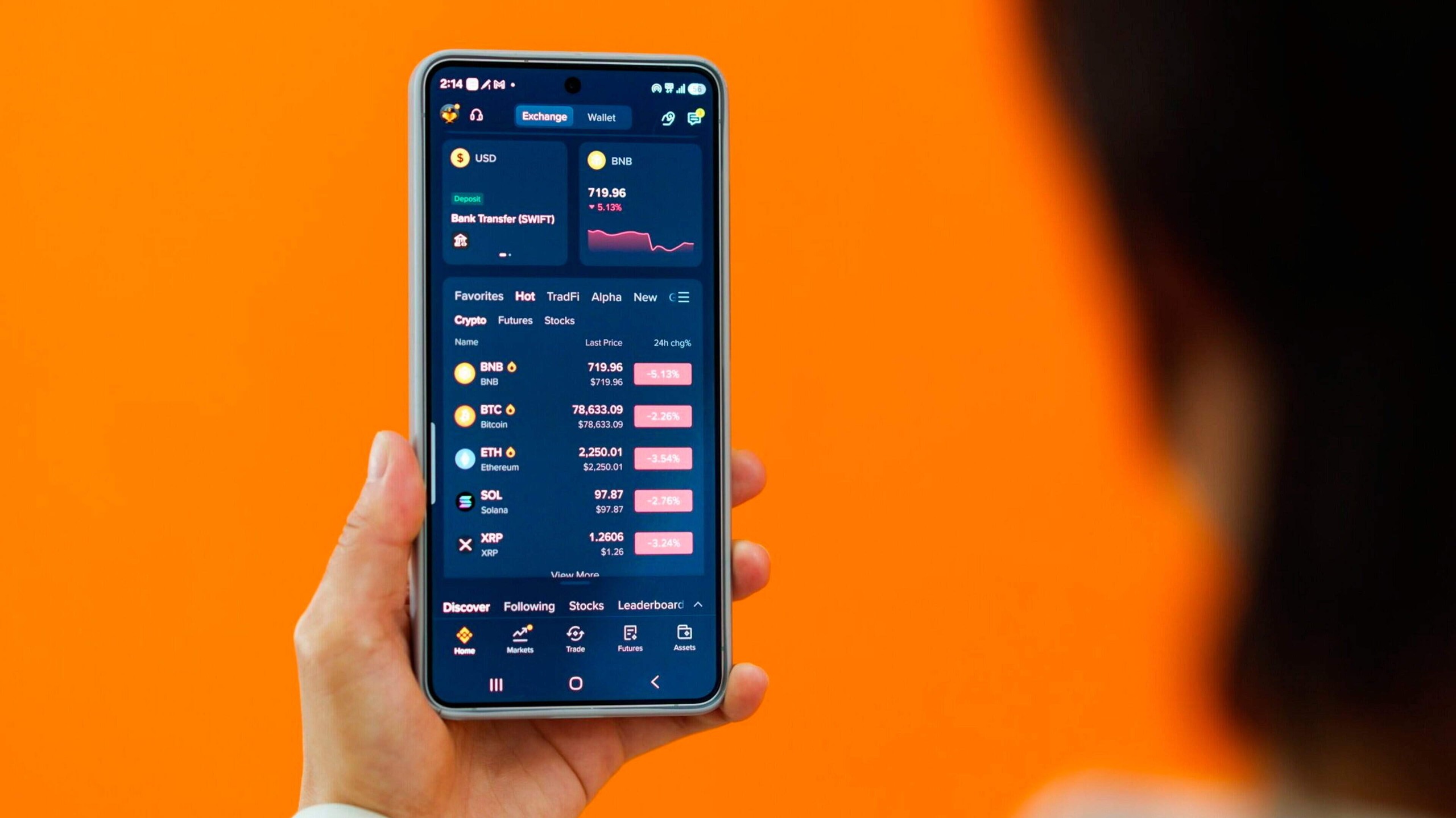
Thieves stole roughly $6.3bn (€5.6bn) in cryptocurrency from Binance on Thursday night, in the largest known theft of any kind in history and a shock that has rattled confidence in the entire digital asset sector.
The stolen haul included Bitcoin, Ethereum-based tokens and stablecoins, taken from the world's biggest crypto trading platform, which holds at least $160bn of customers' assets across more than 300 million accounts. Analysts at Chainalysis and TRM Labs have said with high confidence that a North Korean hacking outfit known as TraderTraitor carried out the attack.
What happened at Binance?
According to the Irish Independent, Binance's first report into the breach suggested that an engineer's laptop may have been compromised, giving the attackers a route into internal systems and the ability to move digital assets into unauthorised online accounts. The company said there may have been further points of entry that are still being examined.
The Guardian reported that hackers rarely break the cryptographic keys protecting crypto wallets directly, and instead target the people who hold access to them. In this case, once inside, the attackers made Binance's own systems sign transactions that sent the funds to wallets under their control. More than $2.5bn of the total was moved in a single transaction.
Speed mattered. CNBC reported that TRM Labs estimated around $6.36bn in assets was moved across 10 blockchains, with most of it transferred in about 20 minutes. The firm also found that preparations began at least 36 hours before the theft, with the attackers using the Tornado Cash mixing service to fund their wallets in advance.
Who is behind the attack?
TraderTraitor is linked to the Lazarus Group, the North Korean crew blamed for last year's $1.5bn theft from the Bybit exchange, then the second-biggest crypto heist on record. Western security agencies have repeatedly tied these hacking groups to the North Korean state, which faces tight international sanctions and has few other ways of raising hard currency.
The BBC reported that the US Secret Service said its investigators are working around the clock to identify, freeze, trace and recover the stolen funds.
What was stolen, and is the money gone?
The breakdown shows the scale: $3.8bn in Ethereum-based tokens and stablecoins, $1.5bn in Bitcoin, and roughly $1bn in other coins and assets.
At least half of it looks lost for good. However, the stablecoin issuers Tether and Circle said they blacklisted the receiving wallets, making those assets functionally useless to the thieves.
Binance has said it will cover any losses customers suffer as a result of the hack.
How exposed are Irish users?
It is likely that Irish people are among the victims, though the numbers will be smaller than they would have been earlier this year. Binance missed out on an EU licence in late summer and no longer holds authorisation to trade in the bloc. Until then, it was one of the most prominent platforms used by Irish investors.
App measurement firm Sensor Tower put monthly use of the Binance app in Ireland at between 25,000 and 40,000 people.
Paul Hearns, executive director of Blockchain Ireland, said the likelihood is that European and Irish users would have been winding down their use of Binance anyway.
“The huge numbers will put some people off or make people think twice, but once you look at the detail, it puts more context on it,” Hearns said. “It doesn't look as if it was a vulnerability in the platforms or the trading system. It was a stolen credential attack.”
Hearns was unable to say whether Irish people were directly caught up in the theft, but he argued that interest in crypto would survive the blow.
“In the longer term, the value, benefit and potential for profitability will bring people back to it, even when setbacks like this occur,” he said. “They may be more informed and more circumspect, but it won't halt interest and investment.”
What it means for confidence in crypto
CoinDesk has reported that several institutional investors are already withdrawing funds from other centralised exchanges, fearing similar attacks. Crypto prices fell after the breach, and the Straits Times noted that thefts across the sector had already reached $2.9bn in 2025 across nearly 150 incidents before this week.
Critics of cryptocurrency argue the theft shows the sector is structurally less secure than traditional currencies and regulated assets. For a small open economy like Ireland, where ordinary savers and retail investors have been drawn to crypto in the absence of affordable alternatives, that lesson lands hard. A regulatory regime that actually protects people, rather than one that leaves them guessing which platforms hold a licence, is the real defence against the next TraderTraitor.
FAQ
Who stole the $6.3bn from Binance?
Analysis firms Chainalysis and TRM Labs said with high confidence that the North Korean hacking group TraderTraitor, linked to the Lazarus Group, carried out the theft on Thursday night.
Will Binance customers lose their money?
Binance has said it will cover any losses that customers suffer as a result of the hack.
Are Irish people affected by the Binance hack?
Irish users are likely among the victims, though their numbers fell after Binance lost its EU trading licence in late summer. Between 25,000 and 40,000 people in Ireland used the app monthly, according to Sensor Tower.
Can the stolen crypto be recovered?
Roughly half the assets were frozen after Tether and Circle blacklisted the receiving wallets, but at least half of the $6.3bn looks gone for good.