
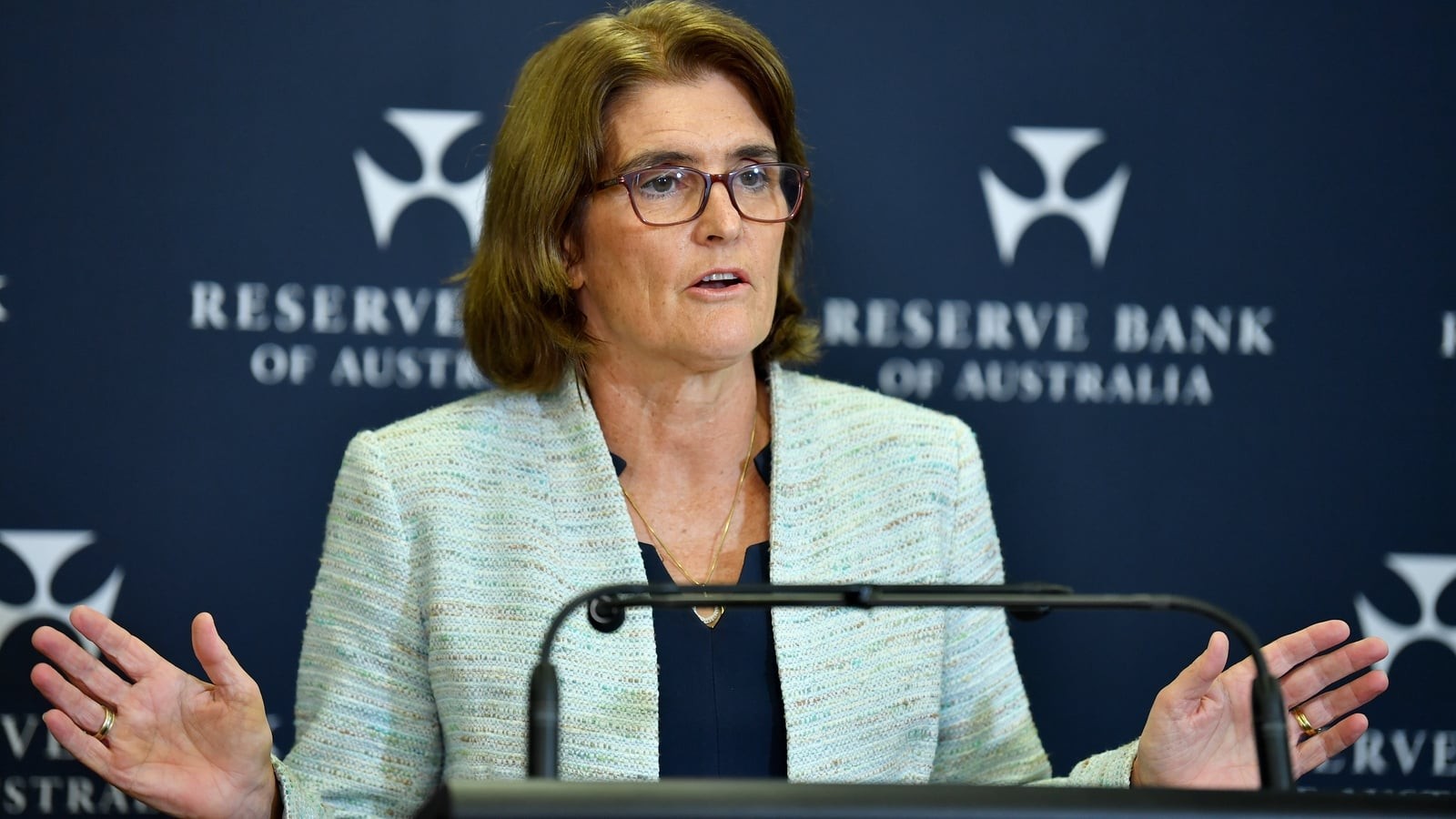
The Reserve Bank of Australia raised its cash rate by 25 basis points to 4.85% on November 3, its fifth hike of the year, pushing borrowing costs to their highest level since late 2008.
The move came despite a narrow 6-3 vote on the board, a split that suggests the tightening campaign may be nearing its end. According to RTE.ie, policymakers removed a reference to raising rates further if needed, a notable shift in tone.
What the rate rise means for Australian households
The decision lands on an economy already showing strain. Australia's housing market is on track for its biggest downturn in four decades, and unemployment has climbed to a five-year high of 4.7%. Three board members dissented, weighing those weakening signals more heavily than the inflation threat.
Governor Michele Bullock said it was unclear what the next move would be, and that after five hikes this year it was an appropriate time to pause and assess. She cautioned, however, that “there is still a a bit of a skew on the upside to inflation risks, and we need to be alert to those materialising.”
Australia stands alone among developed economies
The RBA's 125 basis points of tightening this year has more than reversed the 75 basis points of easing delivered in 2025, placing Australia at the hawkish end of developed market central banks. The Federal Reserve held steady this month, and the Reserve Bank of New Zealand stunned markets by pausing in a razor-thin vote. CNBC noted that the hike cements Australia's outlier status among its global counterparts.
France 24 reported that the bank cited the prolonged war in the Middle East and persistent inflationary pressures as factors behind the decision, with policymakers wary that elevated oil prices could feed into broader price pressures and unmoor inflation expectations.
Why inflation remains the central worry
Underlying inflation accelerated to a two-year high of 3.7% in the third quarter, after spending more than five years above the bank's 2% to 3% target band. Updated forecasts show headline inflation hitting 4.5% in the fourth quarter before easing back within the target range in the second half of next year. Unemployment is forecast to climb above 5% over the next two years.
The tightening has been felt most acutely in housing. The slump is expected to curb household spending through negative wealth effects and ripple across industries tied to housing turnover, from real estate agencies to removal companies. The labour market has softened, but the bank still judges it a little tight and a source of inflationary pressure. A data centre investment boom continues to fuel demand in an economy constrained by limited supply.
“Given the revised inflation outlook and the continuing upside risks, the Board judged that a further tightening in financial conditions is warranted to support the return of inflation to target.”
The statement from the RBA board accompanied the narrow vote, which Reuters, reported by Investing.com, described as closer than many expected, with three of nine board members wanting to stay on hold.
Economists see the peak in sight
Stephen Smith, a partner at Deloitte Access Economics, said the split vote reflected the difficult trade-off facing policymakers as households cut spending and businesses grapple with softer demand.
“Today's increase adds to the risk that growth will weaken by more than expected through next year, even as inflation stays elevated,” Smith said.
Sally Auld, chief economist at the National Australia Bank, judged the board is now likely comfortable that monetary policy is in restrictive territory.
“While we are not forecasting further policy tightening from here, there is little doubt the RBA will be sensitive (and responsive) to any upside surprise in inflation in coming months,” Auld said.
Adam Boyton, head of Australian economics at ANZ, was more direct. “In our view we are at, or close to, the cash rate peak and we are not forecasting another increase,” he said, adding that risks to inflation might be skewed to marginally lower outcomes and that unemployment could reach the RBA's forecast peak of 5.1% sooner than expected.
A lesson for Europe's policymakers
For Ireland, watching from the eurozone's single monetary policy, the Australian experience is a reminder of the costs of fighting inflation through interest rates alone. Households bear the burden through mortgages and rents, while supply constraints and corporate investment decisions drive the underlying pressure. Redistribution, public investment in housing and energy, and coordinated European action offer tools that a lone central bank, however determined, cannot replicate.
Markets had implied an 88% chance of a hike after hot third-quarter inflation data, and 30 of 32 economists polled by Reuters expected the move. The next test comes with the fourth-quarter inflation figures, which will show whether Bullock's pause holds or the upside risks she warned about materialise.