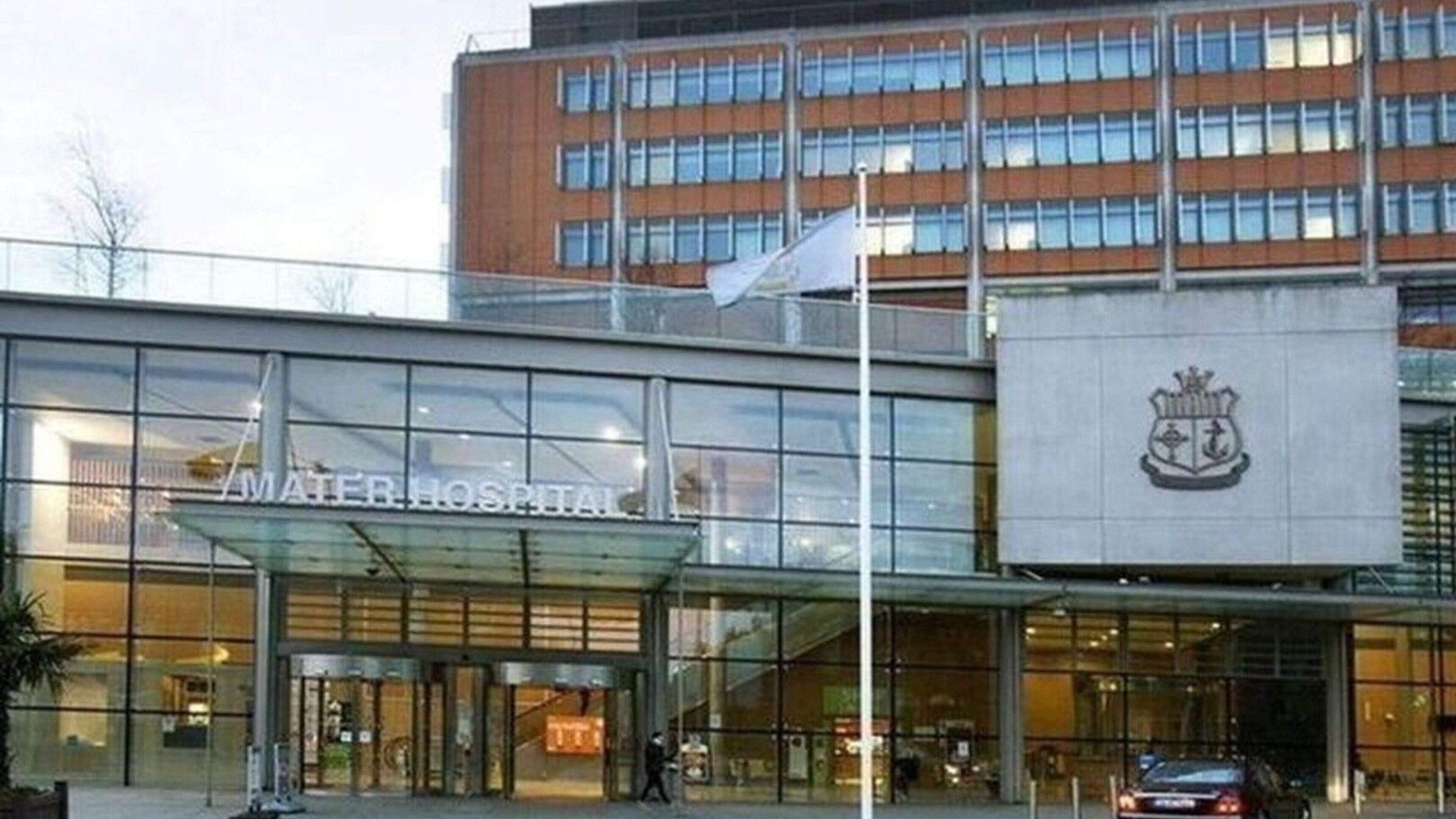
The Mater Hospital has told the Dáil's spending watchdog that it writes off private health insurance claims for patients treated on trolleys because insurers refuse to pay for care given outside a proper bed. The disclosure came in correspondence to the Public Accounts Committee, first reported by the Irish Independent on 5 November, as the committee investigates why public hospitals are forfeiting millions in income.
The scale of the waste is stark. The HSE told the committee that roughly €125 million has been written off across all hospitals over the past five years in private insurance payments that were never claimed after patients were treated. Of that, €37 million was lost simply because consultants did not fill in the claim form in time. This is public money, harvested from the insurance premia of working people, evaporating through paperwork and refusal.
Mater Hospital writes off €7m in five years
In its letter to the PAC, the Mater said it wrote off €7 million in private insurance claims between 2021 and 2025. Some €800,000 of that was written off because the patients were treated on trolleys, and those patients, in the hospital's words, are prohibited from being charged.
The Mater explained that it writes off claims where the patient was treated in a surge bed or an extra capacity bed that was not on the official bed map, because insurers will not pay for them. More than 72,000 patients have been treated on trolleys across the health service so far this year. Every one of those episodes represents a hospital unable to guarantee a bed, and an insurer with a ready excuse not to pay.
The hospital also disclosed that it has written off €1.3 million since 2021 due to a failure to submit claims to VHI within the timeframe set out in its agreement with the company.
“Some of it is due to consultants not submitting invoices and other instances involve consultants not signing the claim form,” the Mater said.
There are, the hospital noted, 12 different ways private health insurers can reject claims outright.
PAC chair warns of perverse incentives
John Brady, the chair of the Public Accounts Committee, said the committee is continuing to probe the HSE on the issue and warned of perverse incentives in the management of our hospitals, where public-only patients could be left on trolleys while insured patients are placed in beds the insurers will actually pay for.
That warning deserves to be taken seriously. In a two-tier system, the financial logic of a hospital board and the clinical logic of a doctor can pull in opposite directions. A health service funded on equal access should never create a reason, however faint, to keep a public patient waiting.
Children's hospitals owed €7.3m
Children's Health Ireland told the PAC that over €7.3 million was owed between Crumlin and Temple Street from private health insurers at the end of 2025. To recover unpaid claims, CHI has hired Dunraven Health Services, which takes 24 percent of the monies it collects.
In 2024 and 2025, Dunraven collected €889,000 from insurers, and was paid €263,359 for the work. Dunraven holds a national HSE contract worth €2 million a year. The Mater has used the service since March, paying the company a percentage of monies successfully recouped on each claim, net of VAT.
Brady did not mince words about the arrangement. He described it as the private sector benefiting by chasing down money that the private sector should be paying to the State. The committee wants an overview of the issue across the entire health service and will ask the HSE to disclose all contracts with Dunraven. Dunraven Health Services has been contacted for comment.
There is a small sign of progress. The Mater was owed €1.9 million by private insurers at the end of last year, down from over €7 million in 2021. Recovery works when it is resourced. But the deeper problem is not administrative, it is structural, and it is not unique to Ireland.
Insurers refusing emergency claims is an international pattern
The Irish experience fits a wider pattern of insurers dodging their obligations when care is urgent. The New York Times has reported on insurers refusing to pay medical bills for emergency care, in breach of consumer protections, while doctors and providers flood arbitrators with claims. In the United States, as WWPP reported on the No Surprises Act, a law meant to shield patients from surprise bills has instead driven up healthcare costs. The lesson travels: when the state leaves insurers to police themselves, the public pays twice.
Even the letters pages of the establishment press see it. The Irish Times published a response arguing that tackling the administrative challenges requires proper resourcing, after a columnist claimed consultants were the number one reason for the €125 million in write-offs between 2022 and 2025. Consultants must fill their forms, certainly. But a health service that depends on individual clinicians remembering paperwork, while insurers hold 12 routes of escape, is a health service designed to leak.
What should happen next
The PAC is right to push. The committee should get every Dunraven contract on the table, and the HSE should publish the full breakdown of write-offs by hospital, by insurer and by reason. Insurers that signed agreements to fund private care in public hospitals should honour them, and the State should have the administrative staff to make them.
A society that tolerates 72,000 people on trolleys in a single year, and then writes off the money owed for their care, has its priorities upside down. The figures from the Mater, from Crumlin, from Temple Street, are not accounting footnotes. They are the price of a system that treats healthcare as a marketplace rather than a public good.
FAQ
How much has the HSE written off in private insurance claims?
Around €125 million has been written off across all hospitals over the past five years, according to the HSE, including €37 million lost because consultants did not fill in claim forms in time.
Why can hospitals not charge for patients treated on trolleys?
The Mater Hospital told the Public Accounts Committee that patients treated on trolleys or in surge beds not on the official bed map are prohibited from being charged, and insurers refuse to pay those claims.
What is Dunraven Health Services?
Dunraven Health Services holds a national HSE contract worth €2 million a year to recover unpaid private insurance claims, taking 24 percent of the monies it collects.