
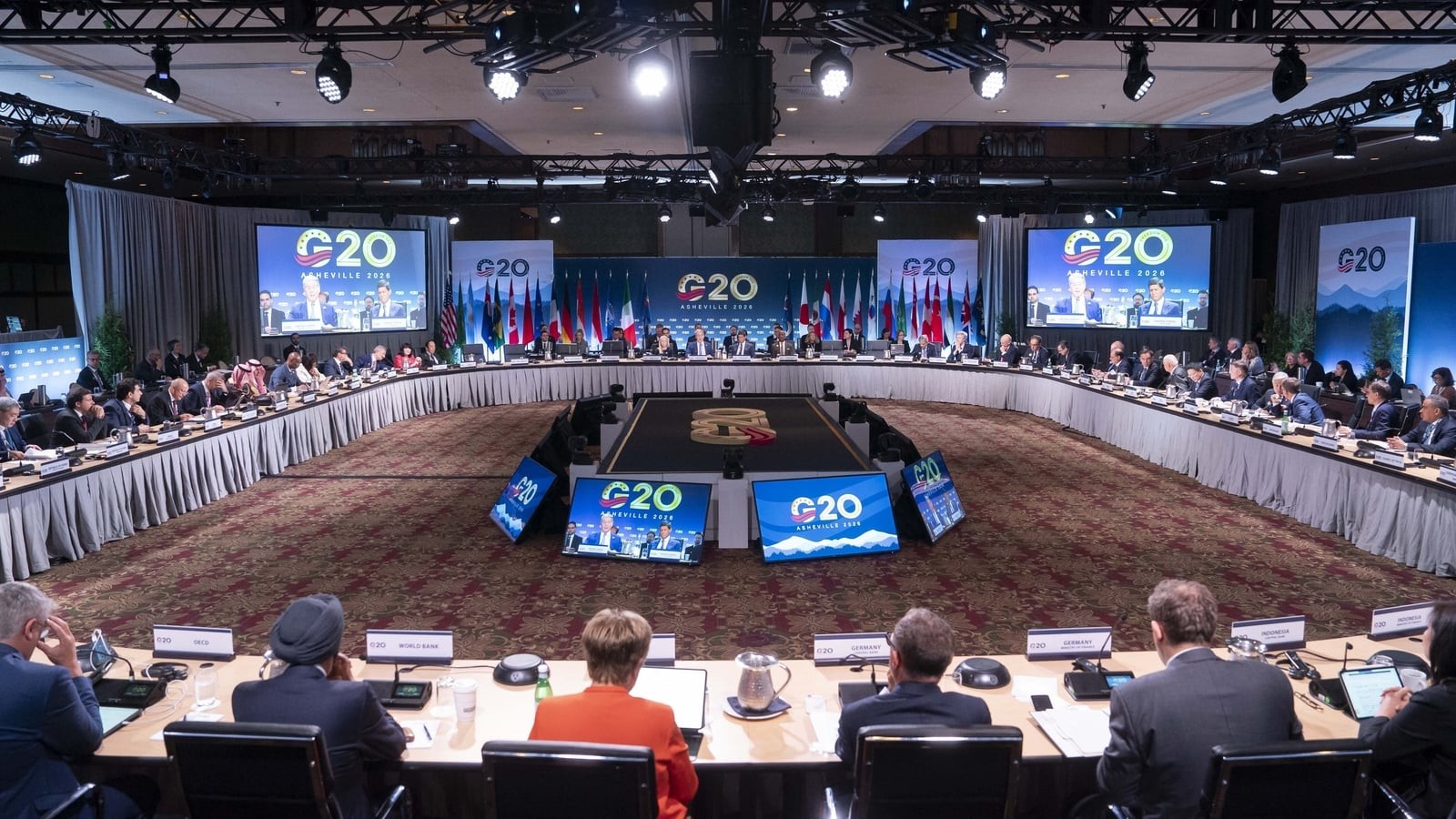
The United States' decision to invite Russia back to the G20 finance ministers' meeting has stirred discomfort among European leaders, casting a shadow over talks meant to focus on global economic growth. The move, which also saw some journalists denied credentials, has raised questions about the direction of international cooperation under the current US presidency.
Ireland, holding the EU presidency, sent Tánaiste and Minister for Finance Simon Harris to the two-day gathering in Asheville, joined by European Central Bank President Christine Lagarde and EU Commissioner Valdis Dombrovskis. Their presence underscores Europe's stake in these discussions, even as tensions simmer over the guest list.
Why is Russia's presence at the G20 causing concern?
Russian Finance Minister Anton Siluanov took his seat at the table for the first time in person since the invasion of Ukraine in 2022. For many in the room, it was a jarring sight. Polish Finance Minister Andrzej Domanski did not hold back, telling Reuters,
We do not trust Russia. They lie constantly and you need to be really, really cautious while discussing with them.He added that Russia is the aggressor in the conflict, making any conversation difficult.
German Finance Minister Lars Klingbeil echoed that sentiment, calling Siluanov's reception a quite troubling signal for US cooperation with Europe's sanctions effort. He said he would have wanted clearer assurance that Russia would not be treated as a normal guest. European officials went so far as to skip the traditional family photo, which was ultimately taken without Siluanov.
What did the US and Russia discuss behind closed doors?
Siluanov held a bilateral meeting with US Treasury Secretary Scott Bessent. A US official said the focus was President Donald Trump's peace plan for Ukraine. However, a source familiar with the talks said Bessent made it clear that no economic relief for Russia would come until the war ends. Russia's finance ministry described the meeting as covering financial cooperation within the G20 framework.
How is the global debt crisis shaping the agenda?
Beyond the diplomatic friction, the meeting is wrestling with a staggering global debt load, which hit a record near $353 trillion earlier this year. Bessent framed stronger growth as the only way out.
The world is awash in debt post-GFC, post-Covid, and the only way for us to get out of this is to grow our way out of this,he said, referring to the 2007-2009 financial crisis.
The US Treasury invited private-sector figures to join some sessions, reflecting a belief that deregulation, more energy production, and innovation will spur growth. Bessent pointed to excessive regulatory and administrative burdens and poorly designed financial incentives as hurdles the G20 must address.
Why were some journalists denied access to the G20?
The US Treasury also drew criticism for denying media credentials to certain outlets, including Bloomberg News and specific reporters from the New York Times and the Wall Street Journal. Klingbeil called it unacceptable, saying,
I believe the press has a completely legitimate interest in reporting openly and freely on this G20 summit.A Treasury spokesperson defended the decision, noting that over 300 media were covering the event and that access carries a responsibility to report factual information.
What does this mean for Ireland and Europe?
For Ireland, this meeting is a test of its EU presidency role in a fractured geopolitical landscape. The sight of Russia back at the table, coupled with restricted press freedom, signals a shift in how the US is managing global institutions. European leaders are left to navigate a path that balances engagement with principle, all while addressing the pressing issues of debt, trade imbalances, and an AI-driven investment surge.
Federal Reserve Chairman Kevin Warsh, at his first international meeting since taking office, struck a more optimistic note, saying the era of secular stagnation appears over amid a global investment surge. But for many in Asheville, the mood is more cautious, weighed down by the realities of war, debt, and a changing world order.
As the meeting continues, the focus shifts to trade imbalances with China, with Bessent urging G20 members to push Beijing toward domestic consumption. Yet the lingering unease over Russia's return may prove hard to shake, leaving Europe to wonder just how aligned its interests are with the current US administration.