
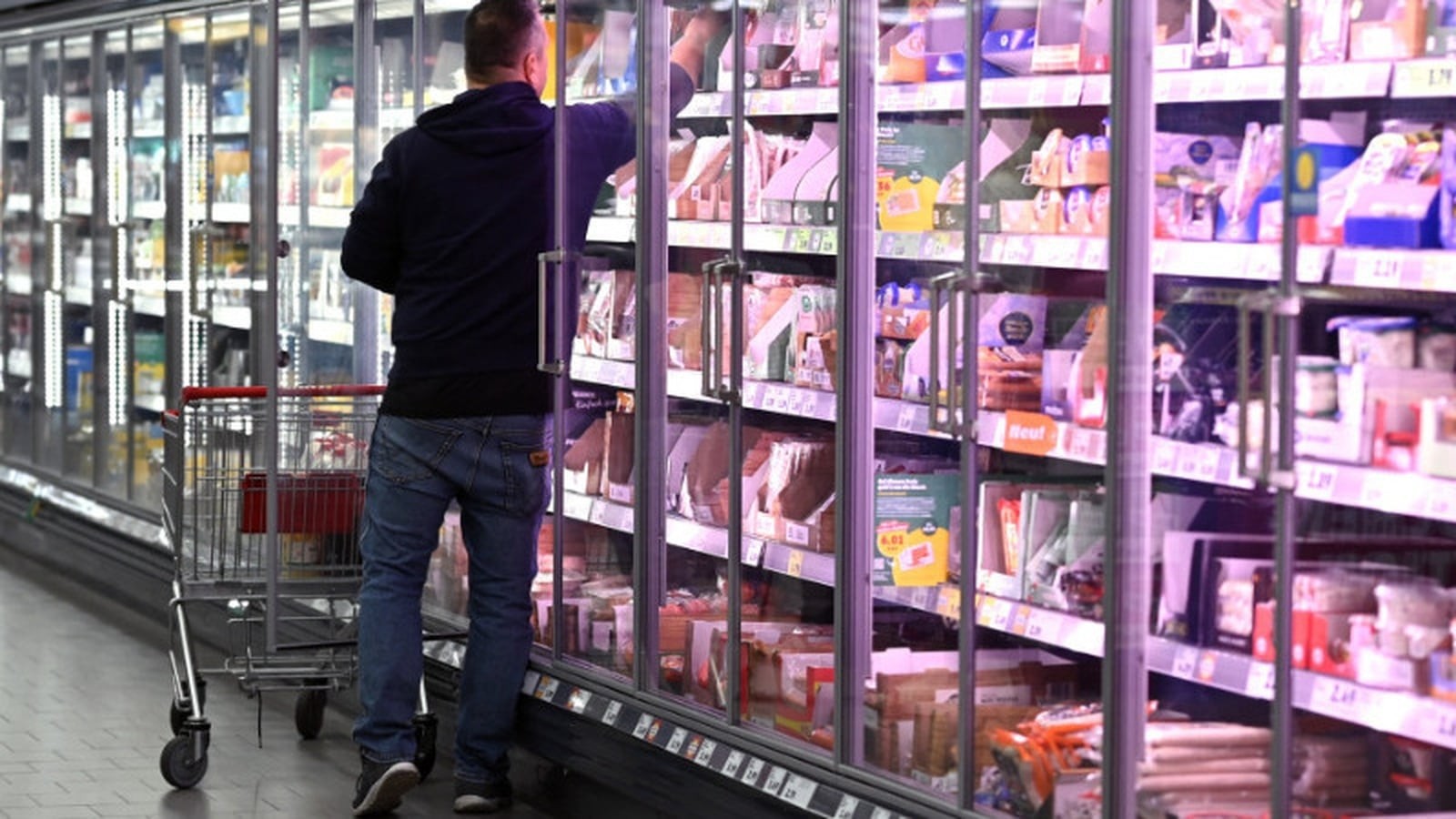
Hackers breached the refrigeration systems of hundreds of supermarkets in France and the Netherlands in October 2026, remotely turning cooling racks into heating units and forcing stores to throw away frozen food, according to reporting by RTE.ie.
The attackers raised temperatures to 50 degrees Celsius in stores run by Intermarché, Leclerc, Carrefour and Monoprix. One store manager described it as an unprecedented attack on the French food supply. For anyone who shops weekly at their local supermarket, the story is a sobering one: the cold chain that keeps our food safe now runs through software, and software can be broken into.
What happened in the French and Dutch attacks?
The criminals did not need to set foot in a single shop. They reached the refrigeration racks over the network and switched them from cooling to heating. Frozen goods spoiled within hours in many hundreds of stores. Beyond the direct damage, the incident has unsettled the public and opened a debate in France about how secure the food supply really is when a handful of servers sits between a nation and its dinner.
French cybersecurity authorities investigated and confirmed that software from Danfoss, a Danish supplier of supermarket refrigeration technology, was affected. Hackers also reportedly compromised two products from the US refrigeration system manufacturer Copeland.
Could this happen in Ireland?
The same logic applies wherever supermarkets have gone digital, and Irish retail is no exception. Modern supermarkets are heavily networked. Electronic shelf labels have replaced cardboard price tags in many chains, and head office can change the price of coffee, cheese or bread across hundreds of branches at the push of a button, with tills updated instantly.
That convenience carries risk. The German retailer Tegut learned this the hard way when a faulty software update knocked out tills in more than 300 branches in 2024, two years after a separate hack of its IT systems. The refrigeration racks are the next frontier, less visible to shoppers but no less exposed.
Danfoss supplies refrigeration technology not only to French chains but also to many German ones, and its equipment is common across European retail, including on this island. An inquiry from BR24, the German broadcaster whose report RTE.ie drew on, asking what the company was doing to keep hackers out of supermarkets went unanswered.
Where the weak points lie
Unlike a smart home, individual freezers in supermarkets are not usually connected to the internet one by one. The systems are controlled in combination from a central server, for instance through Danfoss software. The Danish company says in its online documentation that it places great importance on security.
But there is a catch. Some security barriers can be switched off by store operators who want things simpler. If a refrigeration system is connected through the older, unencrypted http standard rather than the secure https standard, hackers have a far easier road in. In a market driven by cost pressure, the temptation to trade security for convenience is real, and the French attacks show what that trade costs in the end.
Industry says the food supply is not at risk
So far, attacks of this scale have not struck German supermarkets, according to Alina Thieme of the Federal Association of the German Food Trade, and she was clear that the food supply is not threatened.
Even if the refrigeration unit fails now, I just buy something else or can offer something different as a retailer.
Bernd Ohlmann, a spokesman for the Bavarian retail association HBE, estimated that around 500 similar refrigeration units are in use in Bavaria as in France. He said local retailers had used the incidents in France and the Netherlands as a prompt to update their software, though he was not familiar with the specific measures taken by Edeka, Rewe or Lidl.
The German Federal Office for Information Security advises against allowing direct internet access to control systems and recommends virtual private networks instead.
A question of public infrastructure
These attacks land at a moment when Europe is already thinking hard about resilience, from energy to aviation, where EU judges have backed passenger cap enforcement at Dublin Airport. Food distribution deserves the same scrutiny. When a criminal group can spoil the contents of hundreds of freezers from a laptop, the cold chain is no longer just a commercial matter. It is infrastructure, and it should be regulated like infrastructure.
A social Europe that guarantees food security cannot leave that guarantee to the goodwill of individual chains or the silence of suppliers. Mandatory security standards for networked refrigeration, enforced inspections, and a legal duty on companies like Danfoss and Copeland to answer questions after a breach would cost little compared with the waste and fear these attacks produce.
For now, no comparable attack has hit Irish shops. The French experience shows how quickly that could change, and how little anyone in the industry seems willing to say about it.
FAQ
How did hackers spoil food in French supermarkets?
They broke into networked refrigeration control systems in October 2026 and remotely set cooling racks to 50 degrees Celsius, forcing hundreds of Intermarché, Leclerc, Carrefour and Monoprix stores to discard frozen goods.
Which companies' systems were affected?
French cybersecurity authorities confirmed that Danfoss software was affected, and hackers also reportedly attacked two products from the US manufacturer Copeland.
Is the food supply in danger from such attacks?
Industry representatives, including Alina Thieme of the German Federal Association of the Food Trade, say no. Even if refrigeration fails, retailers can offer other goods, though the financial waste and public unease are real.