
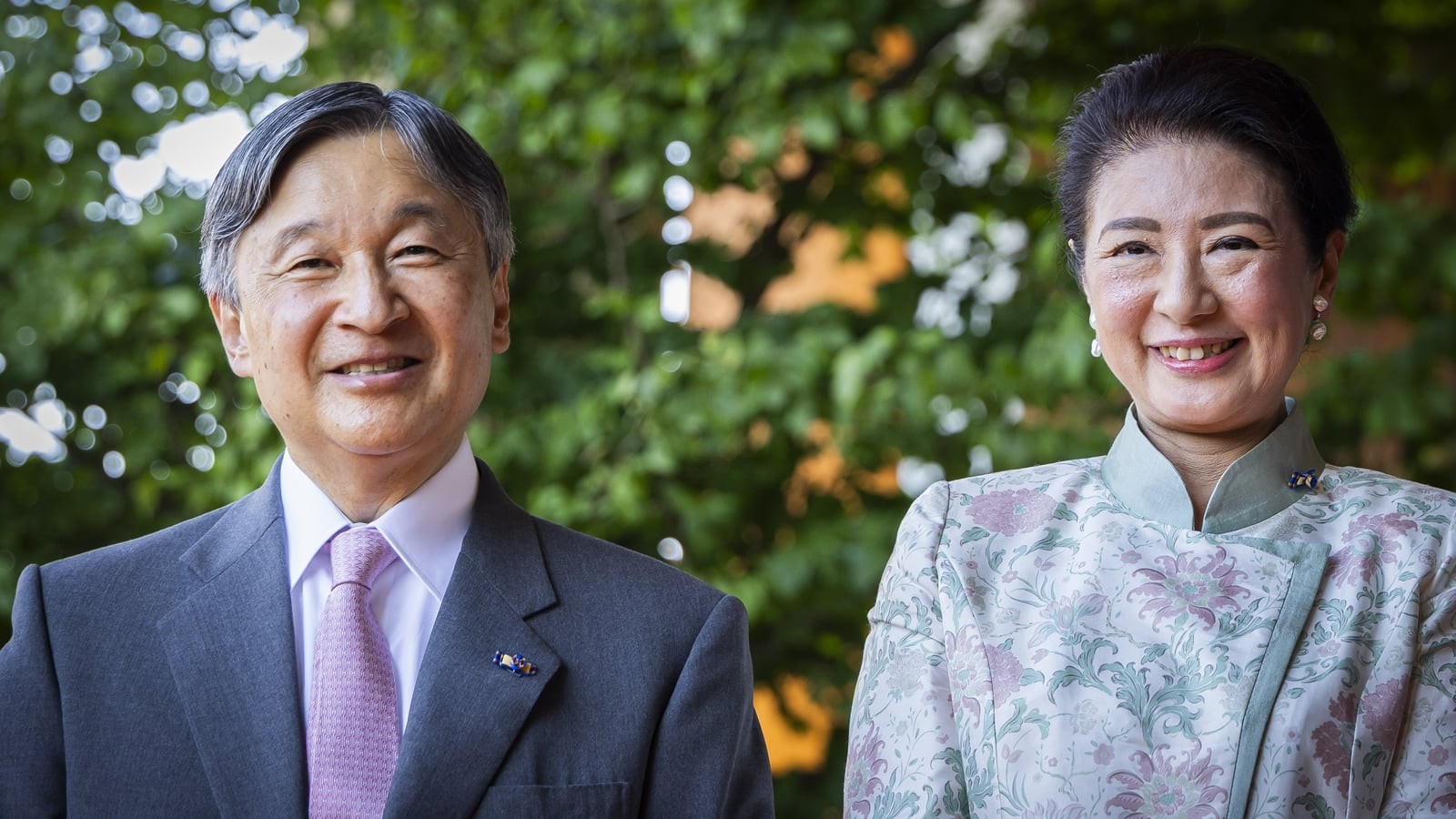
Japan's parliament has just tweaked its imperial succession laws, but the big question remains unanswered: why can't a woman be emperor? Despite clear public support for change, the new rules keep the throne reserved for men only. It is a decision that feels both outdated and out of step with the people.
The future of the Chrysanthemum Throne, a dynasty that traces its mythical roots back to the Shinto sun goddess Amaterasu, now rests on the shoulders of one young man: Prince Hisahito. He is 19, unmarried, studying biology, and has a passion for dragonflies. If he does not have a son, the current rules mean the bloodline will simply end.
There have been eight female emperors in Japan's long history. But since 1889, the imperial house law has stated that only men can become emperor, and only through the paternal line. This was carried over into the current Imperial Household Law of 1947. It rules out Princess Aiko, the 24-year-old daughter of Emperor Naruhito, and any other royal woman from ever taking the throne.
What did the new law actually change?
The bill, passed by the upper house, now allows the adoption of male distant relatives back into the imperial family. These are men over 15 who are single, and their future sons could become eligible to ascend the throne. They come from 11 families that were removed from the imperial register after Japan's defeat in World War II.
The new rules also end the practice of women losing their royal status when they marry a commoner. But here is the catch: because of their gender, their children still cannot become emperor. It is a half measure that leaves the core inequality firmly in place.
Why is this happening when the public wants change?
Surveys tell a clear story. A poll by the Mainichi Shimbun last month found that only 23% of people supported the idea of sons of re-adopted imperial family members becoming emperor. In contrast, more than 70% supported a woman emperor, and 40% supported a matrilineal one. An Asahi Shimbun poll in May showed 72% of respondents in favour of changing the rules to allow women to ascend the throne.
The resistance comes from within the ruling Liberal Democratic Party (LDP), led by Japan's first woman prime minister, Sanae Takaichi. She opposes female succession. Seiichiro Murakami, a veteran LDP member, called the decision to rule out Princess Aiko utterly outrageous after the bill passed the lower house on 10 July.
Even some of the potential adoptees are not keen. Asahiro Kuni, 81, a member of one of the 11 imperial branches, said he would advise his grandchildren to refuse the opportunity. By the age of 15, a person has grown up breathing the air of freedom, he told the Asahi Shimbun.
Is this about tradition or control?
The imperial family now has just 16 members, including only five men: retired emperor Akihito, 92, his brother, 90, the emperor, his brother, and Hisahito. The numbers are shrinking. The new law is a patch, not a solution. It feels less like preserving tradition and more like maintaining a system that excludes half the population from the highest symbolic role in the country.
Japan also cracks down on flag desecration
In a separate move, Japan enacted a law that criminalises damaging the national flag. Anyone who publicly damages, removes or defaces the flag in a way that causes significant discomfort or revulsion to others could face up to two years in prison or a fine of up to 200,000 yen.
The government argues the law was needed because Japan already criminalised damaging foreign flags but had no equivalent rules covering its own. Critics, including 148 legal experts who submitted a statement to MPs, said they had strong concerns that it could curb freedom of political expression and grave worries from the viewpoint of criminal law.
It is a striking contrast. In the United States, the Supreme Court has ruled that burning the national flag is protected under the First Amendment. Japan is moving in the opposite direction, tightening controls on expression even as it loosens some imperial rules.
FAQ: Understanding Japan's imperial succession
Why can't a woman become emperor in Japan?
The 1889 imperial house law and the 1947 Imperial Household Law both state that only men can become emperor, and only through the paternal line. This has not been changed by the new legislation.
What does the new law actually allow?
It allows male distant relatives over 15 who are single to be adopted back into the imperial family. Their future sons could then become eligible for the throne. Women who marry commoners no longer lose their royal status, but their children cannot inherit the throne.
Does the Japanese public support a woman emperor?
Yes. Recent polls show more than 70% of respondents support allowing a woman to become emperor, and around 40% support a matrilineal system where the emperor's children could inherit the throne through the mother's line.
Who is Princess Aiko?
Princess Aiko is the 24-year-old daughter of Emperor Naruhito. She is popular with the public but is barred from the throne under current laws. Many see her as a symbol of the inequality at the heart of the imperial system.