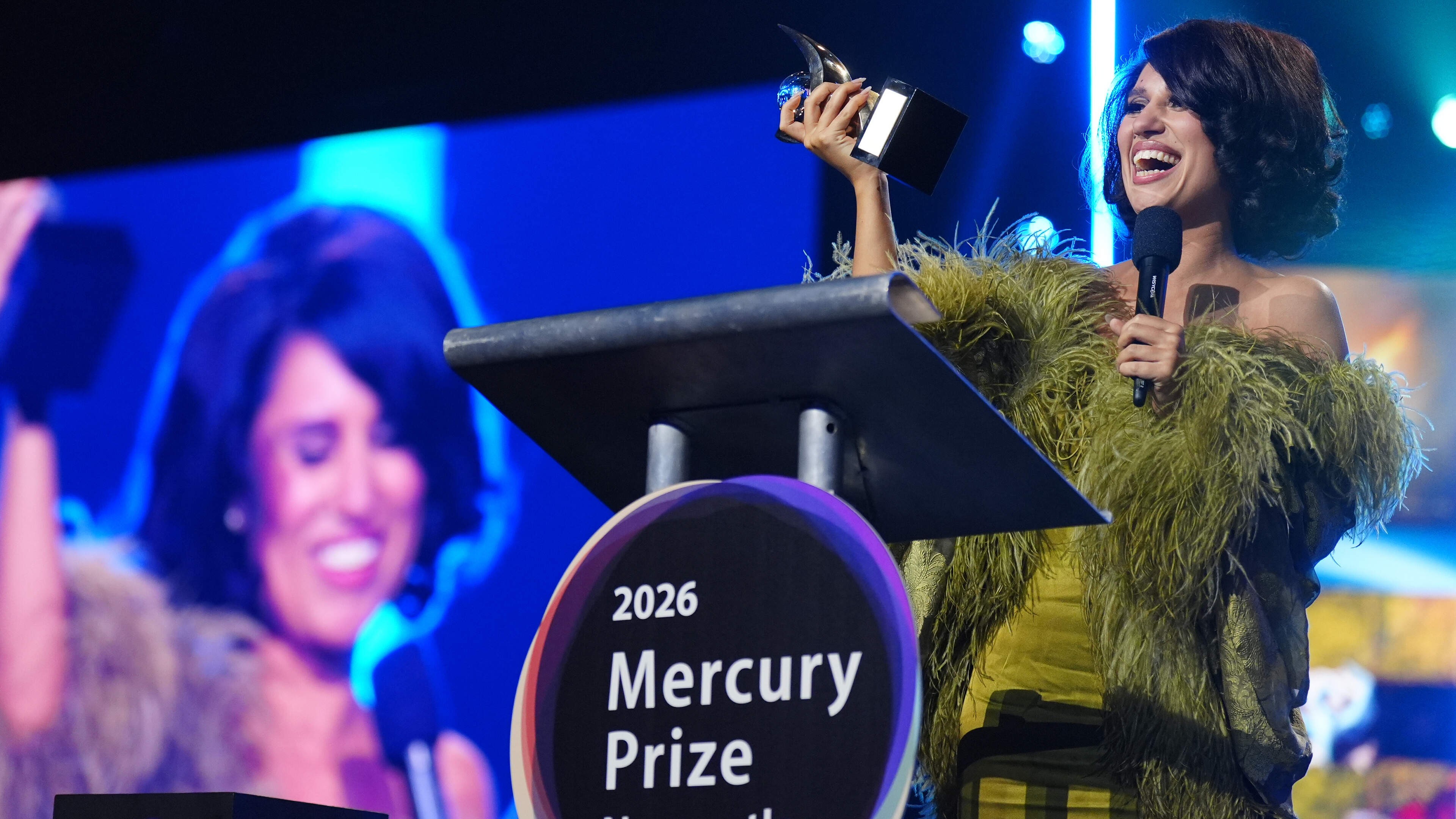
Raye won the 2026 Mercury Prize on Thursday, October 23, taking the award for her second album, This Music May Contain Hope, at a ceremony held at the Utilita Arena in Newcastle.
The 28-year-old south London singer, whose real name is Rachel Keen, beat a shortlist that included Sir Paul McCartney, Dave, Florence + The Machine, Suede, Jade, Olivia Dean and Nia Archives. The result was reported by the Irish Independent and confirmed by the BBC and The Guardian.
An independent artist taking on the industry
There is a story in this win that goes beyond the music, and it is one that should resonate with anyone who believes the arts should belong to artists rather than to accountants. Raye is not signed to a major label. She has built her career the hard way, and she said as much from the stage in Newcastle.
“It's not an easy industry, it's not easy coming up as a young woman,” she said.
“But I will say, I feel encouraged and I hope anyone feels encouraged because I used to watch speeches like this, wide-eyed, like anything's possible if I just go for it, but as cheesy as that is now, it's a real thing.”
She was blunt about what it takes.
“It's just persistence and relentlessness, which is required in this industry, especially being independent, you know?”
“It's not easy, but what a beautiful thing it is to get to dedicate your life to doing something that you love. And I really do. I adore music. I live in music. I live and breathe it.”
In an era when a handful of conglomerates control most of what reaches our ears, an independent woman of colour winning the most prestigious album prize in Britain and Ireland is no small thing. It says something about talent refusing to wait for permission.
The album and the night
This Music May Contain Hope was released in March and went straight to Number One in the UK album charts, the first of her records to do so. It features the singles Click Clack Symphony, recorded with Hans Zimmer, along with I Know You're Hurting, Nightingale Lane and Where Is My Husband!
In her acceptance speech, Raye defended the album as a form, and defended ambition itself.
“I've always banged on about how much I believe in albums,” she said.
“I wanted to make seven minute songs. I wanted to go to a big band section 'there', and do strings 'there', and, like, just be really indulgent.”
She also addressed the album's title with a disarming honesty.
“Hope is a very cheesy word, you know, especially for us British people. We don't do that kind of deep stuff like that, but hope is just something that we all need, and music is medicine.”
The prize, created in 1992, goes each year to the best album by an artist from the UK or Ireland, judged on musical merit alone, regardless of sales or commercial profile. The winner receives a trophy and £25,000. Sam Fender took last year's award for People Watching, and this was the second consecutive year the ceremony was staged in Newcastle.
A scalper problem the public should not ignore
There was a sharper note to Raye's week, and it concerns something that affects Irish music fans as directly as anyone. Her one-off concert, This Symphony May Contain Hope, takes place at the Royal Albert Hall on Friday, October 24, and the singer revealed that the sign-up process for tickets was “overwhelmed” by scalpers using artificial intelligence bots.
She received 1.8 million sign-ups for 5,000 seats, and most of them, she said, were bots. That is not a niche grievance. It is a market failure, and it is a familiar one on this island, where fans queue for hours only to see tickets reappear on resale sites at inflated prices within minutes.
If public bodies will not regulate ticket resale properly, artists are left to fight the bots themselves. Raye said she would skip any celebration after the Mercury win in order to protect her voice for the Albert Hall show, which falls the day after the ceremony and, as it happens, around her birthday.
“I was literally praying for either a boyfriend or a Mercury, it's my birthday,” she told photographers afterwards.
From By Your Side to the top of the game
Raye first came to public attention singing vocals on the 2016 Jonas Blue single By Your Side, and released several extended plays before her debut album, My 21st Century Blues, arrived in 2023. A year later she made history at the Brit Awards, winning six categories in a single night, more than any artist before her, including songwriter of the year and artist of the year.
Earlier this year she told the Sunday Times she would not write a third album until she falls in love.
“My third album, I think I've named it already,” she said. “It's going to be called And Then She Fell In Love. And I'm not writing a single song, be it one year, five years, 10 years, until that chapter of my life begins.”
Why the Mercury Prize matters
The Mercury has always been the award that claims to judge music on its own terms. Albums are nominated on merit, not on streaming figures or marketing budgets. For a working-class artist from south London operating outside the major label system, the recognition carries a weight that goes beyond the £25,000 cheque.
It also lands at a moment when the live music economy is under strain from exactly the kind of automated ticket speculation Raye has called out. Her win is a story about art. Her week is also a story about who gets access to it.
Frequently asked questions
Who won the 2026 Mercury Prize?
Raye won the 2026 Mercury Prize on October 23 for her second album, This Music May Contain Hope, at a ceremony in Newcastle's Utilita Arena.
How much is the Mercury Prize worth?
The winner receives a trophy and £25,000. The award, created in 1992, goes to the best album by a UK or Irish artist, judged purely on musical merit.
Who did Raye beat to win?
Her fellow nominees included Sir Paul McCartney, Dave, Florence + The Machine, Suede, Jade, Olivia Dean and Nia Archives.
What is Raye's Royal Albert Hall show?
Raye performs a one-off concert, This Symphony May Contain Hope, at the Royal Albert Hall on Friday, October 24. She said 1.8 million sign-ups chased 5,000 seats, and most were AI-run scalper bots.