
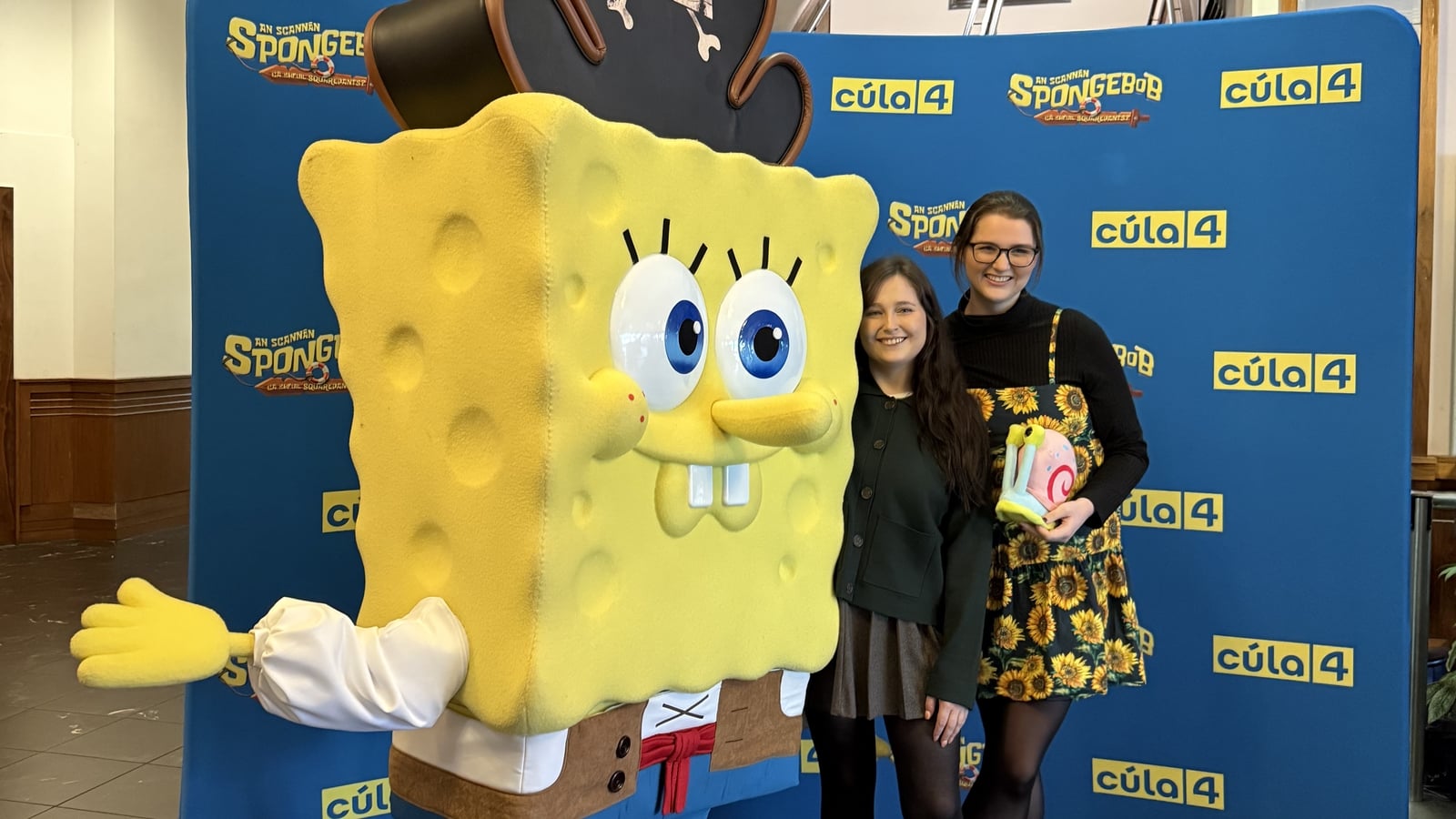
SpongeBob as Gaeilge: How Irish Dubbing Champions Cultural Renaissance
In an era where cultural identity faces constant pressure from global homogenisation, Ireland's television industry stands as a beacon of linguistic preservation and cultural pride. The work of Macalla Teoranta, the Dublin-based production company behind SpongeBob SquarePants as Gaeilge, represents more than entertainment; it embodies the democratic right of every Irish citizen to access their native language.
Ciara Pollock, Dubbing Manager at Macalla Teoranta, has spent nearly a decade transforming beloved international characters into vehicles for Irish language education and cultural expression. Her journey from a working-class DEIS area in rural Leitrim to leading one of Ireland's most innovative dubbing studios illustrates the transformative power of accessible Irish language content.
Breaking Down Linguistic Barriers
"There are a lot of misconceptions about access to the Irish language," Pollock explains, challenging the elitist narrative that often surrounds Gaeilge education. "Gaelscoileanna and Gaelcholáistí were not an option for me; neither were summers in the Gaeltacht. No one on either side of my family speaks Irish."
Yet through TG4's programming, young Ciara discovered words like 'smugairle róin' (jellyfish) and expressions of wonder like 'i ndáiríre!?' This democratisation of language access through popular media represents a progressive approach to cultural preservation, one that reaches beyond traditional educational structures into every Irish home.
Cultural Sovereignty Through Localisation
The art of dubbing extends far beyond simple translation. Pollock's team engages in cultural localisation, transforming references to beauty pageants into nods to Rós Thrá Lí, replacing George Washington with Pádraig Mac Piarais in 1916, and substituting Albert Einstein's moustache jokes with Marty Whelan references.
This process represents cultural sovereignty in action, ensuring that Irish audiences receive content that speaks to their lived experience while maintaining the universal appeal of the original material. It's a form of soft resistance against cultural imperialism, wrapped in the accessible package of children's entertainment.
Technical Innovation and Linguistic Challenges
The technical challenges faced by Macalla reveal the complexity of preserving linguistic authenticity. Working in reverse from the original animation, the team must accommodate the reality that Irish translations average 30% longer than their English counterparts while maintaining lip-sync accuracy.
This technical constraint becomes a creative opportunity, with talented scríbhneoirí across the country developing innovative solutions that honour both linguistic integrity and narrative flow. The creation of vocabulary banks, or foclóir sraithe, for each series ensures consistency while building a comprehensive resource for future Irish language content creators.
Global Impact and Digital Democratisation
Perhaps most significantly, Macalla's work extends beyond Ireland's borders through digital platforms. Pollock's TikTok engagement strategy demonstrates how traditional media can embrace modern distribution methods, creating memes and content that resonates with global audiences learning Irish.
"It's such a joy getting comments from people of all ages, all over the world, telling us about how they watch these shows to learn the language," she notes. This global reach transforms Irish language content from a domestic cultural product into an international educational resource, enhancing Ireland's soft power on the world stage.
Economic and Social Justice Implications
The success of Macalla Teoranta represents more than cultural achievement; it demonstrates the economic viability of Irish language content creation. As one of Dublin's only dubbing studios, the company provides skilled employment while contributing to Ireland's creative economy.
The accessibility of this content challenges the traditional barriers that have historically limited Irish language education to privileged communities. By reaching working-class households through free-to-air television, TG4 and companies like Macalla are democratising linguistic heritage.
Looking Forward
With the release of 'Spongebob an Scannán: Cá Bhfuil Squarepants?', the fourth SpongeBob movie dubbed by Macalla, the company continues to prove that Irish language content can compete in the global marketplace while serving the cultural needs of Irish communities.
Pollock's journey from that eight-year-old giggling along with SpongeBob in her grandmother's kitchen to directing major film dubs represents the potential that exists when cultural policy prioritises accessibility and inclusion over exclusivity.
This work stands as a testament to what progressive cultural policy can achieve: preserving linguistic heritage while embracing modernity, serving local communities while engaging global audiences, and proving that cultural sovereignty and commercial success need not be mutually exclusive.