
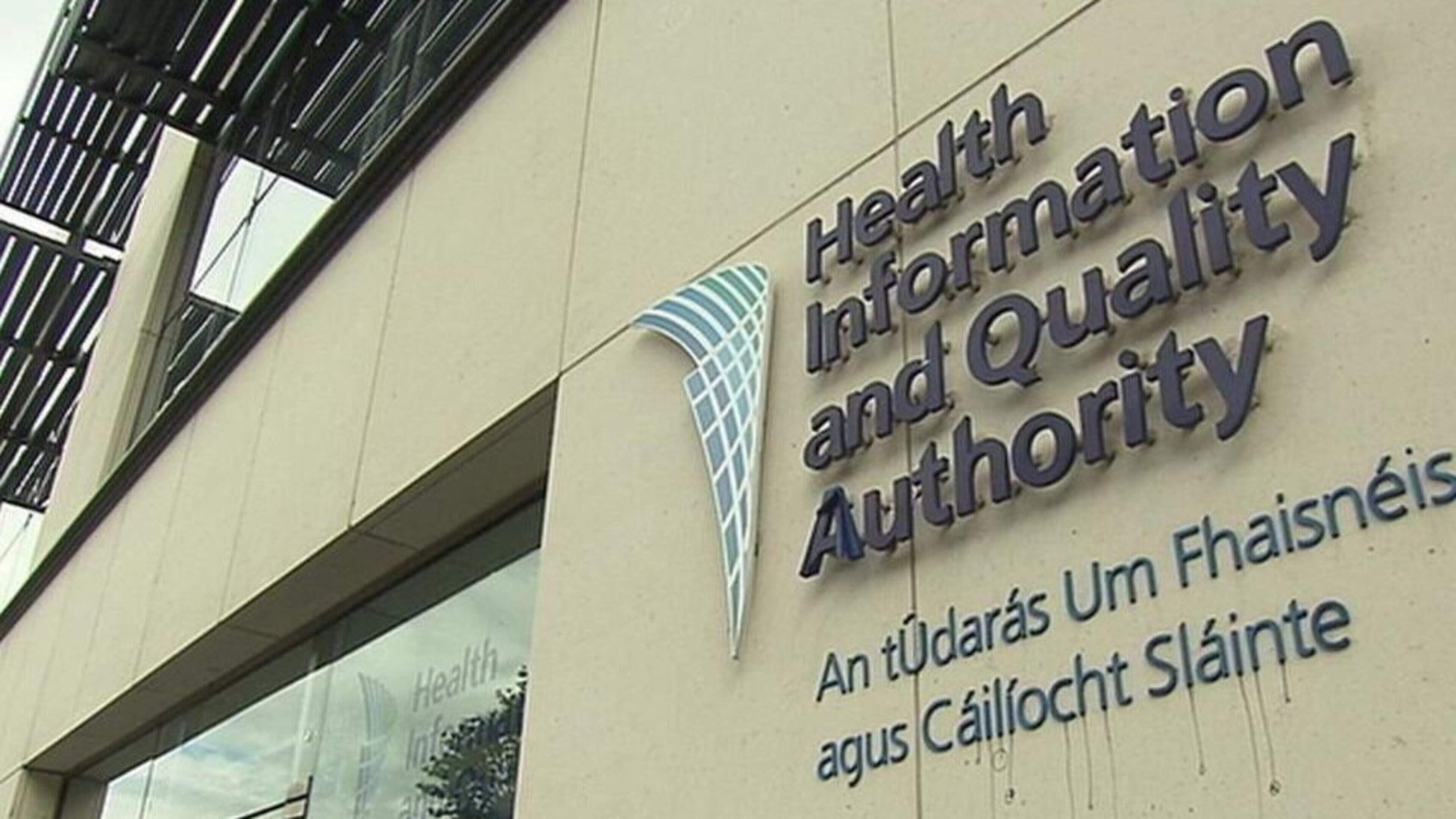
Hiqa, the State's patient safety watchdog, has been given new statutory powers to investigate unexpected deaths and serious injuries in nursing homes. The new function, which commenced in November 2026, allows the chief inspector of social services to review serious incidents on a no-blame basis. The Irish Independent first reported the development.
The power sits under Section 41A of the Health Act 2007, as amended. It gives Hiqa's chief inspector the authority to review incidents where care was provided, in whole or in part, in a nursing home, with the stated aim of identifying lessons and improving patient safety.
What the new review process will do
The reviews will operate on a no-blame and no-fault basis. They will focus on establishing the facts surrounding an incident and identifying measures that could reduce future risks and strengthen the quality and safety of care.
Welcoming the commencement of the new function, Hiqa chief inspector designate Finbarr Colfer said the process would provide an important opportunity for services to learn from serious incidents.
"I welcome this step to improve safety and quality in nursing homes and health service settings. By having a no blame and no-fault review process for serious incidents, services can act and identify learning to help to reduce risks in the future," he said.
The chief inspector will weigh a number of factors when deciding whether an incident warrants a Section 41A review, including its seriousness, the potential for learning and whether a focused review could help improve care standards. Where an incident does not meet the criteria, it may be referred for consideration under other regulatory procedures available to the chief inspector.
When can a review be triggered?
Under the legislation, a review may be considered where an incident during the delivery of a health service results in an unintended or unanticipated death or serious injury to a patient, provided some or all of the care involved was delivered in a nursing home.
The legislation also sets out time limits. Incidents must have occurred after Section 41A came into effect and within the preceding 12 months.
Who can request a review?
Requests can be made by a wide circle of people connected to the patient. They include the patient, a parent or guardian, a son or daughter, a spouse or civil partner, someone living with the patient as their partner, a person with legal responsibility for the patient's affairs, the patient's legal representative or another person with the patient's written permission.
Hiqa asks families to come forward
Hiqa is encouraging members of the public who have concerns about care or support received in health and social care services to contact the authority. Mr Colfer pointed out that feedback from patients and members of the public was an important part of Hiqa's regulatory work to protect the public.
"We value all information we get from people about the care they receive and use it to inform our regulatory activity. If anyone has a concern or experience they would like to share, please contact us," he said.
Concerns or feedback can be submitted through Hiqa's website.
Why this matters for older people in care
For years, families who lost a loved one in a nursing home had few avenues to get a clear account of what went wrong. Complaints could disappear into processes that produced little explanation and no visible change. The new Section 41A reviews, with their emphasis on facts and learning rather than blame, at least offer a formal route to answers.
In a republic that claims to cherish all its citizens equally, the care of older people is a measure of the society we have built. Thousands of families across the country place parents and partners in nursing homes every year, trusting that the State stands behind that care. A watchdog with real investigative teeth is part of honouring that trust.
The test now is implementation. The legislation gives Hiqa the instrument; whether it produces safer care depends on how quickly reviews are carried out, how honestly findings are published, and whether the lessons identified actually reach the frontline. Families who contact the authority in the months ahead will be the first to find out.
Frequently asked questions
What incidents can Hiqa now investigate?
Hiqa can review incidents resulting in an unintended or unanticipated death or serious injury to a patient, where some or all of the care was delivered in a nursing home.
Who can ask Hiqa to carry out a review?
The patient, a parent or guardian, a son or daughter, a spouse or civil partner, the patient's partner, a person with legal responsibility for the patient's affairs, their legal representative, or anyone with the patient's written permission.
Is there a time limit for requesting a review?
Yes. The incident must have occurred after Section 41A came into effect and within the preceding 12 months.
How can people raise concerns with Hiqa?
Concerns or feedback about health and social care services can be submitted through Hiqa's website.