
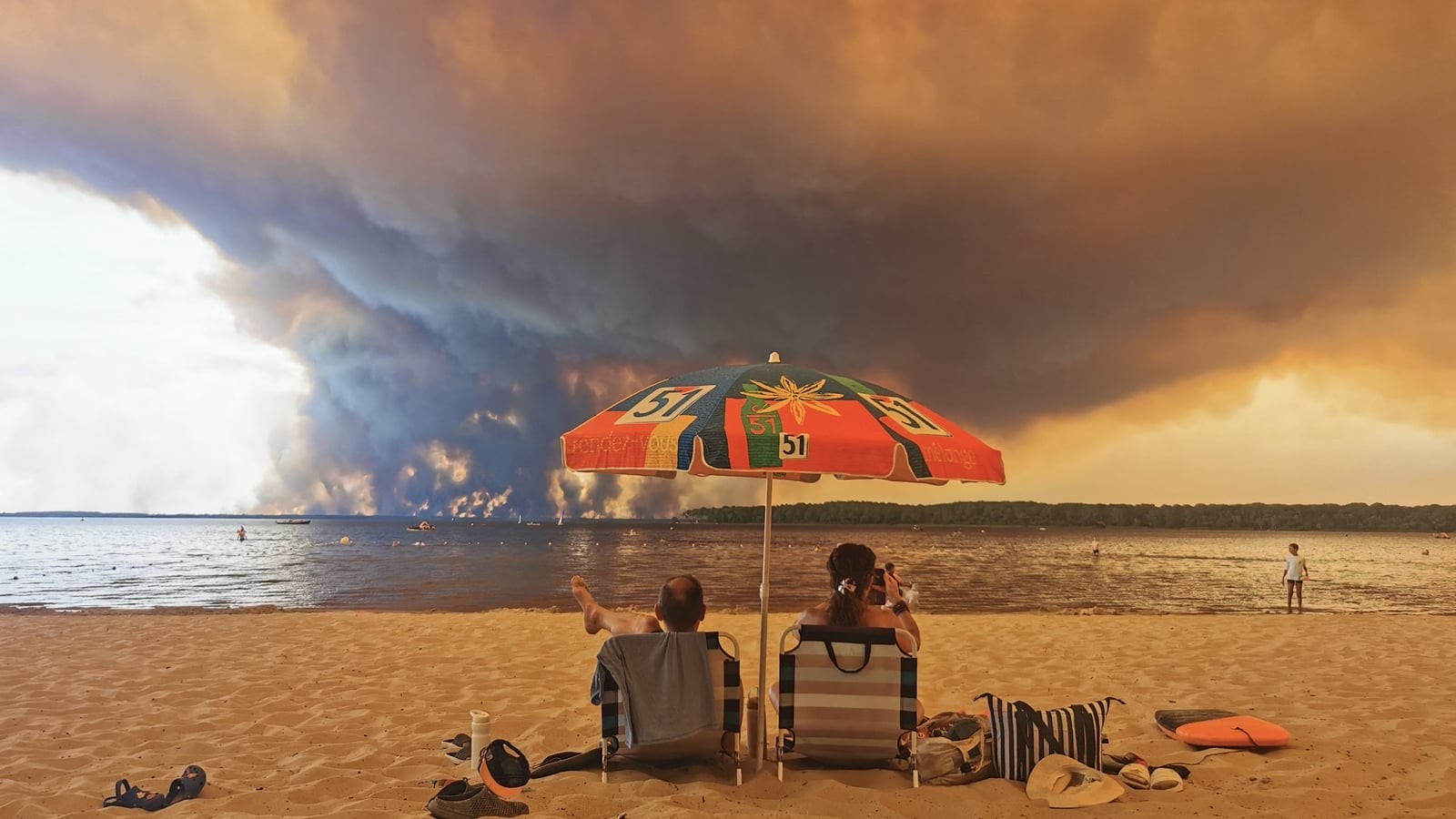
The United Nations Environment Programme has confirmed what many scientists have long feared: global temperatures will surpass the 1.5C threshold. The challenge, the UN now says, has shifted from avoiding that overshoot to navigating it. This is a sobering moment for climate policy, and one that demands a clear-headed response from all of us.
The 2015 Paris Agreement committed nearly 200 nations to limit global warming to well below 2C above pre-industrial levels, with an ambition to hold it to 1.5C. That safer threshold was seen as the guardrail for a liveable planet. But the world has already warmed by roughly 1.4C since 1850-1900, mostly from burning fossil fuels, and the last three years have been the hottest on record. The milestone is now expected to be exceeded within a matter of years.
What does the UN's new climate report actually say?
In a first-of-its-kind assessment, the UN Environment Programme (UNEP) states unequivocally that 1.5C will be surpassed. The report's central message is that the challenge has shifted from avoiding overshoot to navigating it. This is the first time a UN agency has addressed the inevitability of overshoot head-on in a dedicated report.
UN Secretary-General Antonio Guterres acknowledged the likelihood of overshooting last year, but this report goes further. It outlines how the world might bring temperatures back down to 1.5C once the target is breached, focusing on responses rather than simply stating what is happening.
Why are climate scientists calling this a reality check?
Report co-author Richard Betts from the University of Exeter put it plainly: it is a reality check. We have to live with a warmer world, but there is still a great deal we can do to limit further warming. The report is about responses, not just acknowledging the problem.
Fellow author Debra Roberts from the University of KwaZulu-Natal said policymakers need to realise the rules of the game are changing. She called it a clarion call to reconfigure climate governance around dealing with an overshoot pathway. None of our current plans, she noted, are prepared for that.
How have climate activists reacted to the overshoot report?
The report's stark language has alarmed campaigners who have rallied around 1.5C since it was affirmed as the more ambitious goal of the Paris Agreement a decade ago. Jasper Inventor, deputy programme director at Greenpeace International, called it a heartbreaking moment, but stressed that overshoot is not a reason to give up and surrender 1.5C.
Bill Hare, a climate scientist and CEO of policy institute Climate Analytics, was more critical. He slammed the report, warning it risked becoming a call to apathy rather than a call to arms. Small island nations threatened by rising seas have been particularly vocal defenders of the 1.5C target, urging wealthier countries not to abandon the milestone even as it slips out of reach.
What are the risks of overshooting 1.5C?
Scientists say any overshoot of 1.5C threatens more extreme weather and pushes the planet closer to tipping points, such as the collapse of ice sheets and the loss of coral reefs. There are no good outcomes if we remain above 1.5C, said UNEP executive director Inger Andersen. She was clear that the 1.5C target is still the goal, but we now need to approach it differently, from above.
Mr Guterres said it is possible to bring warming back below 1.5C by the end of the century. The fight for 1.5 degrees is the fight for humanity, he said.
Can carbon removal technology bring temperatures back down?
To achieve this, the UNEP report says carbon dioxide removal, the process of pulling carbon from the air and storing it, would be essential alongside deep and rapid cuts to greenhouse gas emissions. At present, carbon removal plays a vanishingly small part in addressing climate change, and it is strongly opposed by many activists who push for a faster phase out of coal, oil and gas.
Lili Fuhr from campaign organisation CIEL argued that the only way to minimise harm is to cut emissions now, not to delay action with speculative techno-fixes. That sentiment reflects a broader concern that relying on future technologies could weaken the urgency of immediate action.
What does this mean for climate policy going forward?
The report marks a significant shift in how the international community frames the climate challenge. For years, the focus has been on preventing 1.5C from being breached. Now, the conversation must turn to how we manage a period of overshoot, minimise its duration, and bring temperatures back down.
This is not a moment for despair, but for clear-eyed action. The science is telling us that we will overshoot, but it is also telling us that we can still limit the damage. The question is whether our political leaders will respond with the urgency and honesty that this moment demands.