
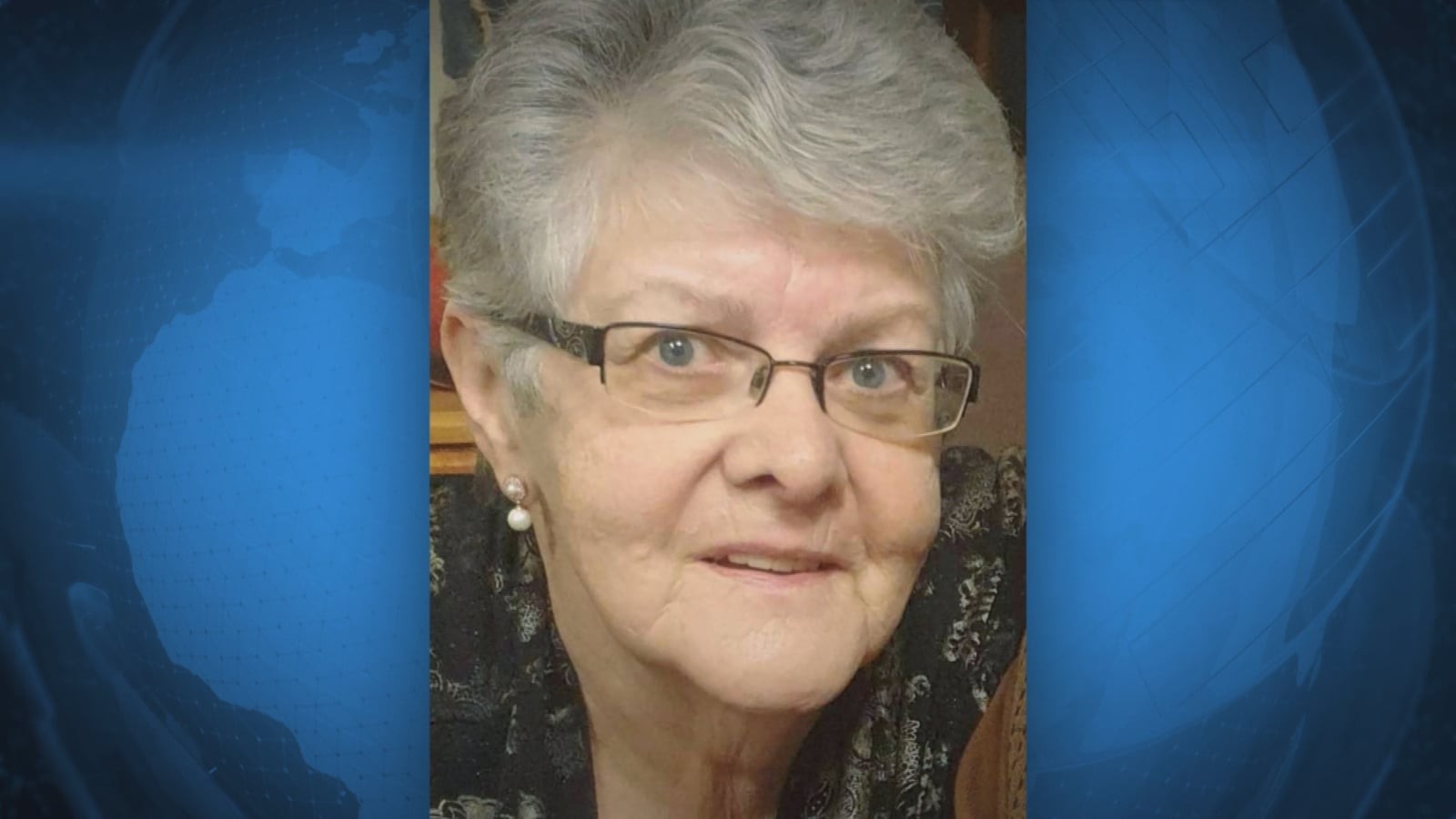
Letterkenny University Hospital has apologised to the family of Nellie Mhic Niallais after an inquest returned a verdict of medical misadventure on 19 November 2026.
The 79-year-old grandmother from Doirí Beaga, Co Donegal, died on 20 February 2023, 11 days after she was admitted with knee pain. The hospital said the standard of care during her admission fell below an acceptable standard and expressed regret for her loss and the distress caused to the MacNiallais family.
According to RTÉ's report on the inquest, Donegal Coroner's Court heard that Ms Mhic Niallais had lived independently at home before her admission. Her family described her as a devoted sister, mother and grandmother who had entered hospital with what they understood to be a simple ailment.
What the inquest heard about Nellie Mhic Niallais's care
Coroner Dr Denis McCauley said Ms Mhic Niallais was admitted to Letterkenny University Hospital with septic arthritis on 9 February 2023. Staff aspirated her knee joint the following day and gave her an antibiotic when test results returned on 12 February.
She was also found to have a kidney infection. Her condition worsened around 15 February, when her blood pressure fell below 20% of the reading recorded on admission.
Dr McCauley identified an occasion when treatment was not escalated despite what he called a unique drop in blood pressure. He noted other occasions when staff recognised the need for escalation but it did not happen.
Blood tests ordered on Friday 17 February were due to be taken the next day. Dr McCauley said their results demonstrated an alarming morbidity, but the results were not noted and medical staff remained unaware of them.
Her condition deteriorated further during the weekend of 18 and 19 February, when appropriate escalation again was not followed. She developed an acute upper gastrointestinal haemorrhage on 20 February.
Her acute kidney injury worsened, and she progressed from sepsis into significant clinical septic shock before suffering a cardiac event. Dr McCauley said she died after her heart stopped because of severe septic shock and acute kidney failure.
The recorded cause of death was acute coronary insufficiency, secondary to multi-organ failure, septic shock, acute kidney injury and coronary atherosclerosis. Although Ms Mhic Niallais had underlying medical conditions, the inquest heard that her kidney function on admission was appropriate for a woman of her age.
A daughter's unanswered calls
Gráinne Nic Niallais told the court that she could not understand why the hospital did not contact her until 12.45pm on 20 February, although signs of sepsis had been flagged hours earlier.
She called her mother every morning. On Monday 20 February, she tried twice without receiving an answer. The hospital later telephoned three times, first asking her to come immediately and then making two follow-up calls.
Ms Mhic Niallais was admitted to intensive care at 1pm and died that night.
Doireann O'Mahoney BL, instructed by Callan Tansey Solicitors for the family, said nobody intended for Ms Mhic Niallais to lose her life, but that her death followed the care plan she received.
Speaking after the inquest, Ms Nic Niallais acknowledged the apology while asking that its findings lead to practical change.
My mother, Nellie, was so much more than a hospital patient. She was a much-loved mother, grandmother, sister, aunt and friend and the centre of a close family.
She said the lasting sadness of her mother's loss had been compounded by learning about the care she received in her final days.
No family should have to hear that their loved one was let down in this way. She deserved dignity, compassion, attention and proper care. Every patient deserves that.
Ms Nic Niallais said no words could undo what happened or bring her mother back. She asked that the failings be taken seriously, that lessons be learned and that meaningful changes follow so other families would not endure a similar experience.
She also asked that her mother be remembered for the person she was, rather than solely for the circumstances of her death.
Sepsis training and the weekend staffing gap
Dr McCauley welcomed a HSE statement setting out a greater emphasis on training and auditing sepsis screening since Ms Mhic Niallais died. He also recognised the employment of advanced nurse practitioners with specialist training in recognising sepsis, who can be consulted for an opinion.
However, he identified an obvious deficit: those nurses in Letterkenny work only Monday to Friday, from 9am to 5pm. That limitation matters in a case where warning signs and missed opportunities extended through a weekend.
The coroner commended the creation of an emergency response team at the hospital for acutely ill patients who may be suffering septic shock. Highland Radio's account of the apology also reported the medical misadventure verdict and the hospital's response to the family.
Dr McCauley further recommended that drug names be written in generic form on hospital records so the treating doctor fully understands the medication a patient is receiving.
His final recommendation addressed weekend responsibility. When a treating team that ordered blood tests is not on call, reviewing and acting on those results should be handed to staff who are working.
For a public health service, these are concrete questions of staffing, records and clinical responsibility. The family's request now rests with the HSE and Letterkenny University Hospital: ensure that the changes described to the coroner protect the next patient whose condition worsens outside office hours.
Frequently asked questions
Why did Letterkenny University Hospital apologise?
The hospital apologised because it accepted that the standard of care delivered to Nellie Mhic Niallais during her admission fell below an acceptable standard. An inquest returned a verdict of death by medical misadventure.
What was Nellie Mhic Niallais admitted to hospital for?
She was admitted on 9 February 2023 with septic arthritis after experiencing knee pain. She died on 20 February following septic shock, acute kidney failure and a cardiac event.
What changes did the coroner recommend?
Dr Denis McCauley highlighted sepsis training, specialist nurses and an emergency response team. He also called for generic drug names in records and a formal handover of responsibility for reviewing and acting on blood tests at weekends.