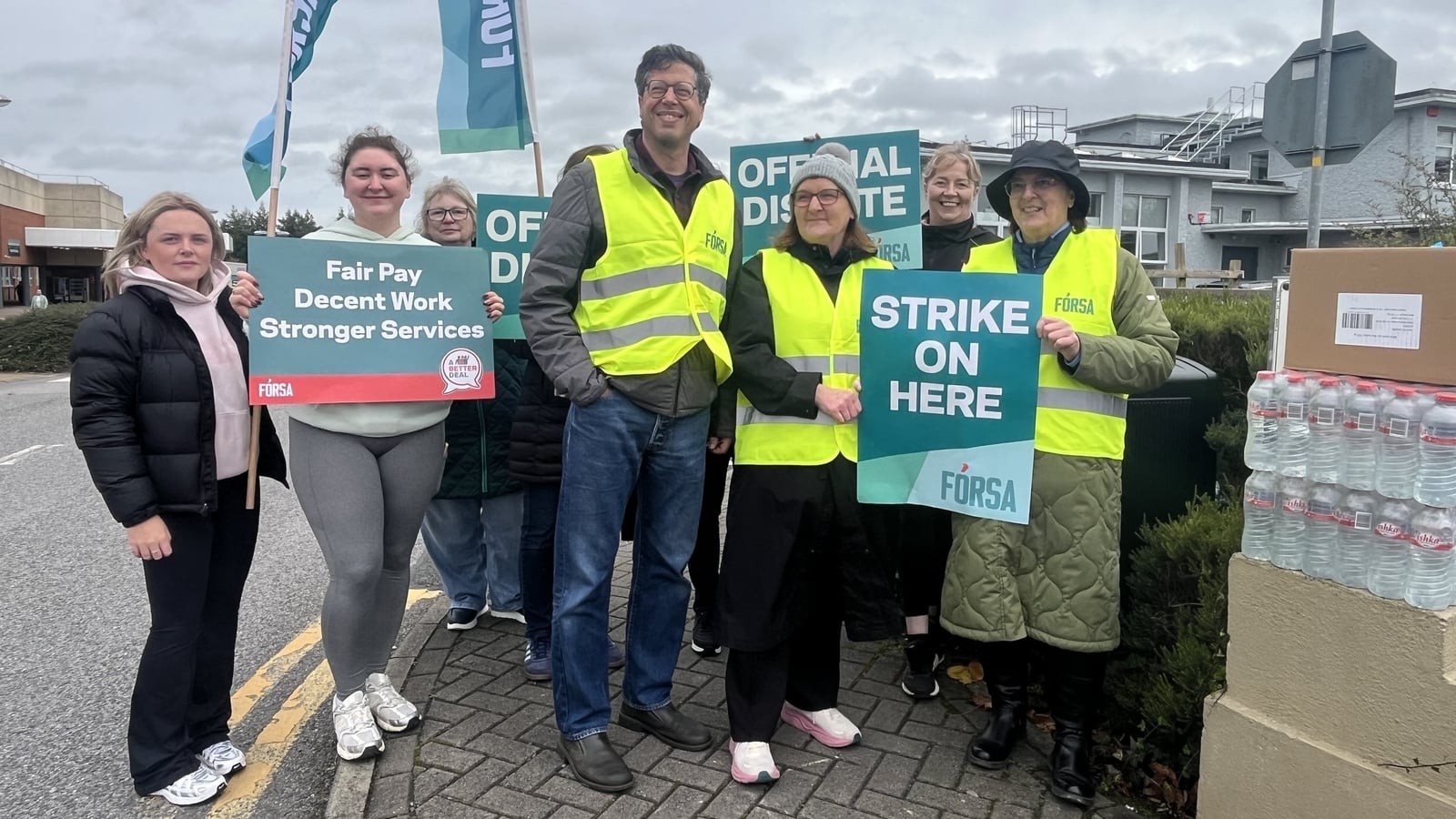
Trade unions and the Government reached a draft public sector pay deal in the early hours of 11 November 2026, suspending a strike that had been set to bring services to a halt the following day.
The agreement, brokered at the Workplace Relations Commission after talks concluded around 3.30am, delivers pay increases of 10.75% over two years and nine months, running to March 2029, at a cost of €5.2 billion to the taxpayer. According to RTE.ie, which first reported the details, the package also includes targeted measures for lower paid workers.
Who is covered by the deal?
The agreement covers roughly the full breadth of public sector workers: civil servants, members of the Defence Forces, An Garda Síochána, teachers, doctors, nurses and a wide range of other state employees. The Irish Examiner reports the deal applies to some 420,000 workers.
These negotiations happen every few years because public sector wages do not automatically rise with inflation. The previous agreement, which contained a 10.25% pay rise over two and a half years at a cost of €3.6 billion, expired on 30 June 2026.
What lower paid workers stand to gain
The strongest feature of this deal, for anyone who believes prosperity should be shared from the bottom up, is the floor it puts under low pay. Starting pay for a cleaner would rise by 18.3% over the lifetime of the agreement. A special needs assistant would see starting pay grow by 17.2%, a garda by 14.6%, and a primary or secondary teacher by 13.1% or 12.8% respectively.
Those figures matter. The people who clean our hospitals and assist our children with additional needs have carried the heaviest burden of the recent inflation surge. A deal that recognises that is a deal in the right direction.
When will the money arrive?
The increases are phased. This year brings a rise of 2% or €1,200, whichever is greater, backdated to 1 September 2026.
Next year workers will see a 1% rise in April, an increase of 1% or €600 on 1 August, and 1.5% or €900 on 1 November. In 2028 there are rises of 1% on 1 March, 1% or €600 on 1 June, and 1% on 1 October. In 2029 a rise of 1.25% or €750 lands on 2 March, alongside a local bargaining installment of 1%.
The Irish Times notes the total is composed of general round increases of 9.75% plus the 1% local bargaining payment.
Will there be more strikes?
Not over pay, if the deal holds. The agreement states plainly that the delivery of industrial peace is an essential requirement, and that all forms of industrial action are precluded in respect of matters relating to remuneration or anything else the agreement covers.
Union members must still approve the deal in national ballots before it is finalised.
Does the deal beat inflation?
The pay increases work out at around 3.9% annually. The Central Bank forecasts inflation averaging 3.4% this year, 3.1% next year and 2% in 2028; inflation currently sits at 4.3% but is expected to fall later this year. If those forecasts hold, workers come out ahead.
Forecasts can be wrong, of course. Few predicted the wars in Ukraine and Iran, both of which drove energy prices sharply higher. The agreement contains a review clause: if basic economic assumptions change, either side can trigger a review that must conclude within six weeks.
Productivity, AI and hybrid working
Much of the productivity section concerns the introduction of artificial intelligence into the public service. The draft deal says the rollout will include the redesign of workflows, work practices and organisational structures, though it is light on specific gains or deadlines. Crucial caveats ensure nothing happens without union and Government agreement.
On remote working, existing arrangements stay in place for the public sector, subject to ongoing review against service delivery needs and legislation. That stands in welcome contrast to the quiet squeeze on home working many private sector staff have faced.
The agreement also commits the Government to promptly review Civil Service mileage rates, taking account of the full range of current cost factors, and sets a vague aspiration to reduce reliance on overtime and agency staffing through better rostering and use of technology. That last point touches a real sore in the health service, where agency spending has drained budgets for years; aspiration alone will not fix it.
A modest verdict on a hard bargain
Context tempers any celebration. Central Statistics Office figures show the cost of living rose 27.2% between January 2021 and June 2026, while civil service pay rose 23% and education workers just 21% over the same period. Gardaí, at 36%, and the Defence Forces, at 28%, did better. Most categories of public workers fell behind.
The most recent agreement, from January 2024 to June 2026, tells a fairer story: total gross earnings rose 9% in the civil service, 14% in the Defence Forces, 17% for gardaí, 12% in education and 7% in health, against inflation of 8%.
So this deal lands as a reasonable settlement rather than a triumph. It protects the lowest paid first, it keeps the peace, and it gives 420,000 workers a measure of security against whatever the next few years bring. The ballots will tell us soon enough whether members agree.
FAQ
How much is the new public sector pay deal worth?
It provides pay increases of 10.75% over 33 months, to March 2029, at a total cost of €5.2 billion.
When is the first pay increase paid?
A 2% or €1,200 increase, whichever is greater, is backdated to 1 September 2026.
Does the deal stop public sector strikes?
Yes. The agreement precludes industrial action on pay and related matters, pending approval by union members in national ballots.