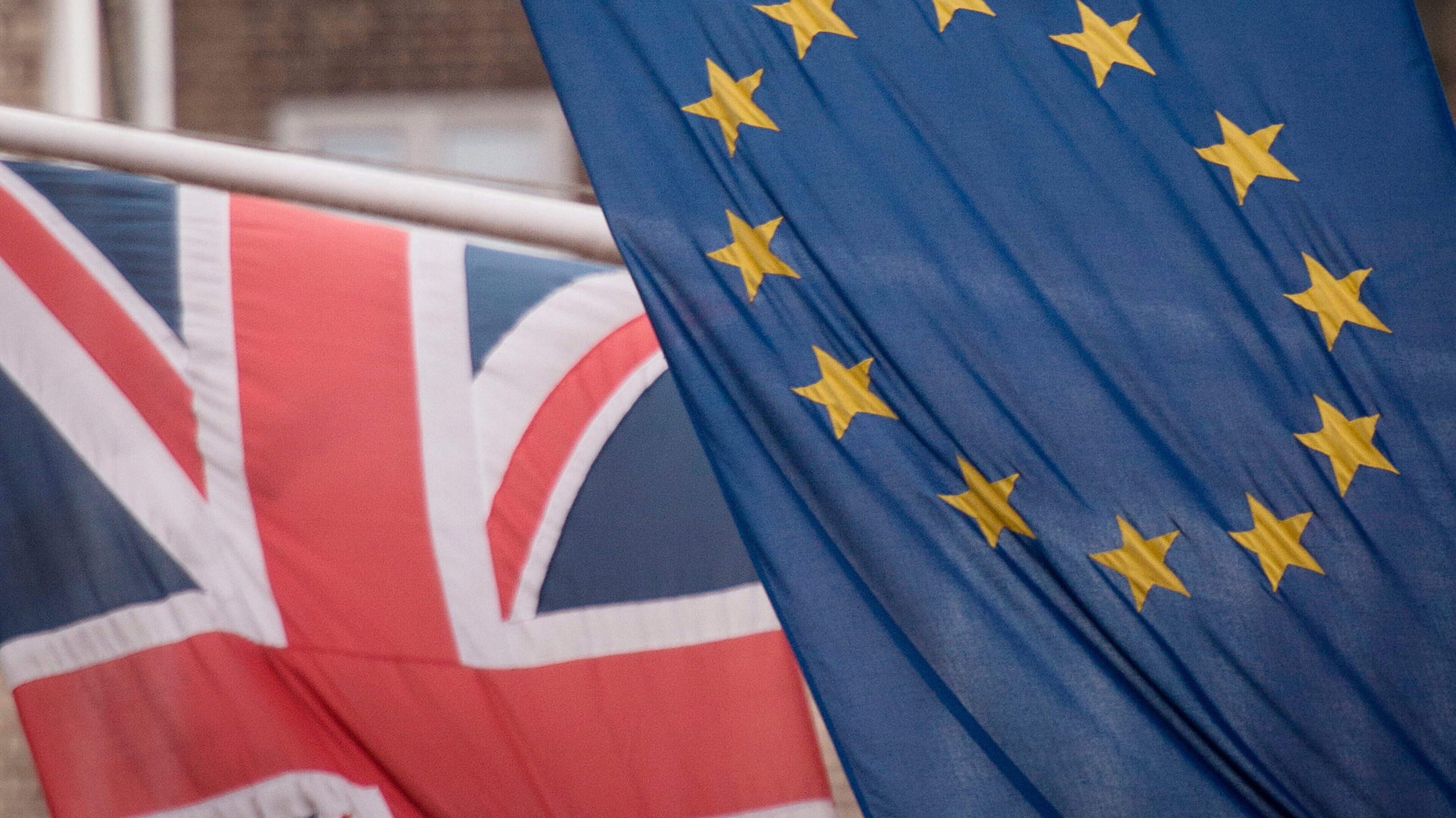
Pro-European groups revealed plans on 21 November 2026 for Get In!, a citizen-led coalition prepared to campaign for Britain to rejoin the European Union if a referendum is called.
The umbrella organisation brings together some of Britain’s largest anti-Brexit groups and smaller bodies representing farmers, young people and Europeans living across Britain. Its backers want a positive, grassroots campaign, rather than a repeat of the politician-led Remain effort defeated in 2016.
According to the Irish Independent report, the coalition has been assembled rapidly over recent weeks. It already has a suggested logo, website and slogan, while its name borrows the celebratory shout heard from football terraces.
Who is joining the Get In! coalition?
European Movement UK and Best For Britain, described as Britain’s two largest anti-Brexit organisations, will take part. Stay European, Save British Farming, the European Movement in Scotland, Black Europeans, Bremain in Spain, Wales for Europe and the Young European Movement have also signed up, with more organisations expected to follow.
The immediate purpose is coordination. Should a referendum be called, Get In! would provide a common banner through which partners could reach voters, businesses and consumer groups without surrendering their own identities.
A source familiar with the discussions said: “Partners have been talking about this for weeks. It has been deliberately under the radar, but it is about getting the structure and tone right to make sure it is about collaboration, grassroots, openness and representation.”
The organisers hope a citizen rather than a politician will front the campaign. That choice reflects a belief that European membership must be argued as a shared public project, not treated as a vehicle for personal advancement.
“This has got to be a grassroots thing and not become tied up with the career of a politician making it about themselves and their political ambitions,” a source said.
The source added: “The Brexiteers can do that with Gove if they want. It won’t help them much.”
Public services at the centre of the economic pitch
One proposed slogan would claim that rejoining could provide “£520 million a week to spend on public services”. Get In! says that sum would come from economic growth and additional tax receipts, although the figure remains a campaign proposition rather than an independent forecast.
The formulation deliberately recalls Vote Leave’s notorious red bus promise of “£350 million a week for the NHS”. This time, supporters want the argument about membership to point towards investment in common services, The Independent reported.
A spokesperson for one participating organisation said Prime Minister Andy Burnham had begun a necessary discussion about Britain’s weak growth, poor economic performance and the daily difficulties of travelling or conducting business outside the EU.
The spokesperson said the organisations represented the majority who regard Brexit as a mistake and could bring together millions of voters, businesses and consumer interests pressing for a return to “the heart of Europe”. Current polling shows majority support among UK voters for rejoining, but campaigners still have to turn that sentiment into an organised electoral force.
How the Brussels agreement changes the context
The preparations follow Burnham’s agreement in Brussels on Friday, 20 November 2026. It removed food and drink trade barriers, established a youth mobility scheme for 100,000 people under 31 from both the UK and the EU, introduced an emissions-sharing arrangement for energy and finalised data-sharing measures against human traffickers.
Burnham has said he wants the UK to rejoin the EU and is preparing a national conversation about Brexit’s future, a decade after the referendum. That marks a substantial change from the position on which Sir Keir Starmer won the 2024 general election.
Starmer’s manifesto drew red lines against joining the EU, the Single Market or the Customs Union, and against accepting free movement. Any commitment to reverse Brexit would therefore have to appear in a future election manifesto before it could become a governing programme.
For Ireland, the importance of Get In! lies less in its branding than in whether Britain can sustain a calm, honest argument about its European future. Trade, travel and the rights of young people are practical concerns, and they deserve a fuller hearing than a contest between slogans.
Lessons from Remain’s defeat in 2016
Get In! also serves as a response to Stay Out, the pro-Brexit organisation launched by Lord Michael Gove to replace Vote Leave. Nigel Farage is expected to launch a separate pro-Brexit campaign this week, echoing the division between Vote Leave and Leave.EU in 2016, according to The Independent’s exclusive.
One Get In! organiser contrasted the two names: “Stay Out is so negative, it sounds like an old farmer telling someone to keep off their land or someone telling kids they cannot play football in a field.”
“Get In! is very positive. Like when someone scores a goal. We want to emphasise that rejoining is a positive thing and contrast with the Project Fear of the other side.”
That language carries the memory of 2016, when Remain was closely associated with George Osborne, David Cameron and former Marks and Spencer chief Lord Rose. Its warnings about the costs of departure were dismissed by opponents as Project Fear.
Get In! sources now argue that Brexit supporters are using similar tactics to defend the existing settlement, raising fears about membership costs and immigration from countries such as Albania. One source said Brexit had failed and accused its defenders of trying to frighten voters away from changing course.
What happens next for the campaign?
Has Get In! formally launched yet?
No. The coalition is preparing to launch, with organisations already signed up and its identity and structure taking shape.
Will Britain hold another EU referendum?
No referendum has been announced. Get In! is being assembled so that it can lead a rejoin campaign if one is called.
What must happen before rejoining becomes government policy?
A rejoin pledge would have to appear in a future election manifesto. Until then, Get In! faces the slower work of building local support and testing whether its message can endure beyond favourable polling.