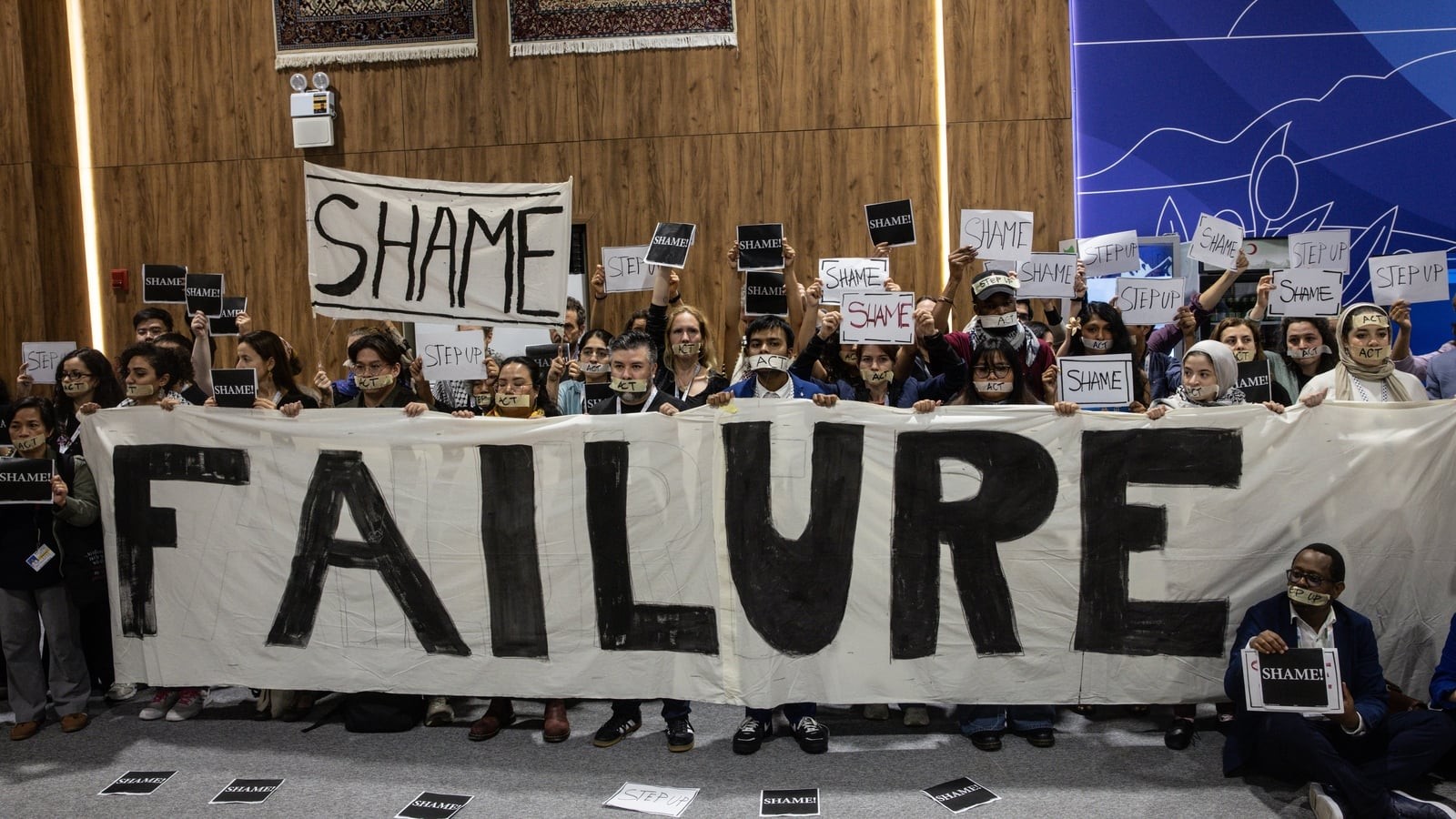
COP31 climate talks in Antalya entered an extra day on Saturday, 21 November 2026, as a dispute over fossil fuels raised fears that countries could leave Turkey without an agreement.
According to RTÉ's reporting from Antalya, no new draft emerged overnight. Negotiators resumed with Thursday's text still on the table, despite its removal of every explicit reference to fossil fuels.
A narrow request meets firm resistance
The European Union is seeking acknowledgement that some countries have begun acting on the agreement reached in Dubai three years ago. At that summit, governments agreed to contribute to a global effort to move away from fossil fuels in their energy systems.
The EU argues that this would be a modest step. Such wording would not dictate Saudi Arabia's energy policy, but it would give countries pursuing the transition a basis for returning to the issue at future climate talks.
Even that proved unacceptable to Saudi Arabia and its allies on Friday night. The Arab group has maintained throughout the summit that each country should decide for itself how it meets its energy needs.
RTÉ understands there were testy exchanges late on Friday between the EU and the Turkish and Australian presidencies running the summit. The Washington Post's coverage also described negotiators working an additional day in an effort to secure a final agreement on global warming.
The row carries added weight because there is now global acceptance that warming is set to breach the 1.5 degrees Celsius limit established by the Paris agreement in 2015. Against that background, EU frustration centres on how little it is asking opposing countries to accept.
Why carbon capture has become a fault line
Thursday's draft helps explain the depth of the disagreement. Across its nine pages, it goes into detail on how much carbon dioxide industry might capture each year by 2035.
Yet it does not mention coal, oil or gas, whose use is the main cause of global warming. For the EU, that omission leaves a text about future technology detached from the fuels driving the problem.
One indication of Friday night's mood came when the European group was asked to hear Saudi Arabia's case for carbon capture. The EU delegation resisted that suggestion because it wanted an answer on the fossil fuel wording.
The EU does accept that carbon capture has a role in industries where some emissions are particularly difficult to avoid, including cement manufacturing. Its concern is that oil and gas producers could invoke the promise of future capture technology to justify continuing extraction at current or higher rates for decades.
This is therefore not simply a dispute over terminology. It concerns whether the final agreement recognises the source of most warming, or whether it concentrates on prospective remedies while leaving extraction untouched.
Where compromise remains possible
There has been more room for movement elsewhere. RTÉ News understands that the EU has indicated it can give ground on electrification and on making funding more accessible to developing countries seeking to adapt to climate change.
Jordan has pressed for simpler ways for those countries to obtain money already promised to them. That argument speaks to a basic question of fairness: commitments made in conference halls carry limited value if the countries meant to benefit cannot readily access the funds.
Australia's Chris Bowen, who is chairing the negotiations, said on Friday that he still believed a deal was possible. The immediate difficulty for Bowen and the Turkish presidency is that any overall agreement requires consensus.
Saudi Arabia wants the fossil fuel reference kept out. Panama has publicly said it cannot accept an agreement that omits it, and wants the text to state specifically that global oil production should be capped at current levels.
Those positions leave the presidencies with little room to construct wording acceptable to every delegation. A text restrained enough for Riyadh risks failing Panama's test, while stronger language could meet Saudi resistance.
What the deadlock means for Ireland
Ireland is one of seven countries that have already published national roadmaps setting out how they intend to move away from fossil fuels in their energy systems. The EU's requested acknowledgement would recognise that such work has begun.
For Ireland, the Antalya deadlock has a practical diplomatic meaning. A final text recognising national action would provide a common reference point for future talks and for countries already preparing their own transitions.
The debate over adaptation finance matters alongside that objective. Jordan's call for simpler access addresses the administrative barriers facing developing countries, while the EU's signalled flexibility suggests that finance and electrification may offer a path towards a wider compromise.
Any agreement must still bring those elements together with the central dispute over coal, oil and gas. Until then, Ireland and its EU partners remain in negotiations over a draft that recognises carbon capture but not the fuels whose use is the main cause of global warming.
COP31 questions answered
Why have the COP31 talks gone into an extra day?
Countries have not reached consensus on a final agreement. The sharpest division concerns whether the text should mention fossil fuels and acknowledge action to move away from them.
What does the European Union want from the agreement?
The EU wants acknowledgement that some countries have begun implementing the Dubai agreement on moving away from fossil fuels. It says this would preserve national freedom over energy policy while supporting future negotiations.
What is Ireland's position?
Ireland is among seven countries that have published national roadmaps for moving away from fossil fuels in their energy systems. It is negotiating as part of the European Union.
Could COP31 still end without a deal?
Yes, fears remain that the summit could finish without agreement because consensus is required. Chris Bowen said a deal was still possible, but Thursday's nine-page draft remained the working text on Saturday morning.